Mission Mills Property
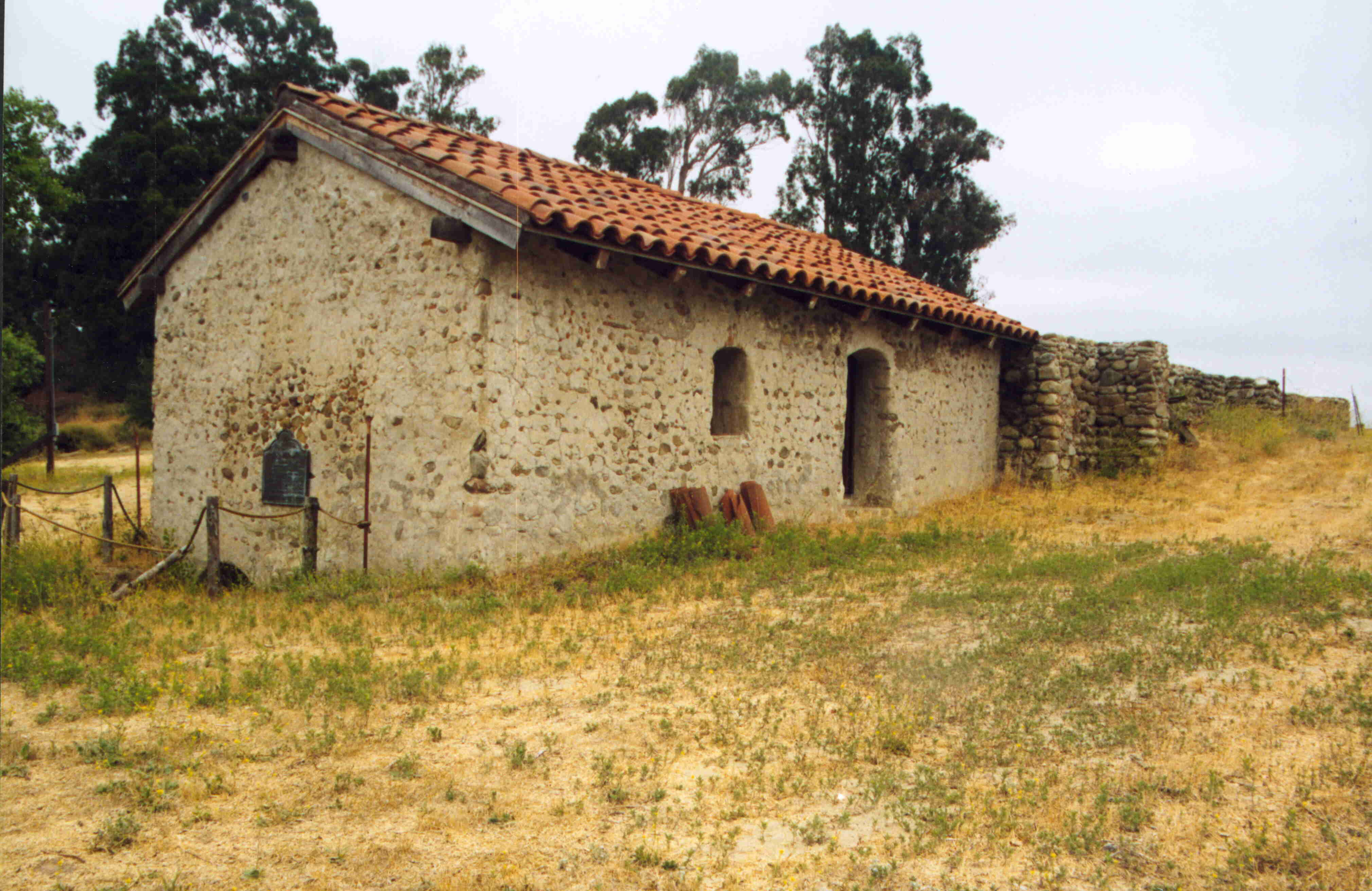
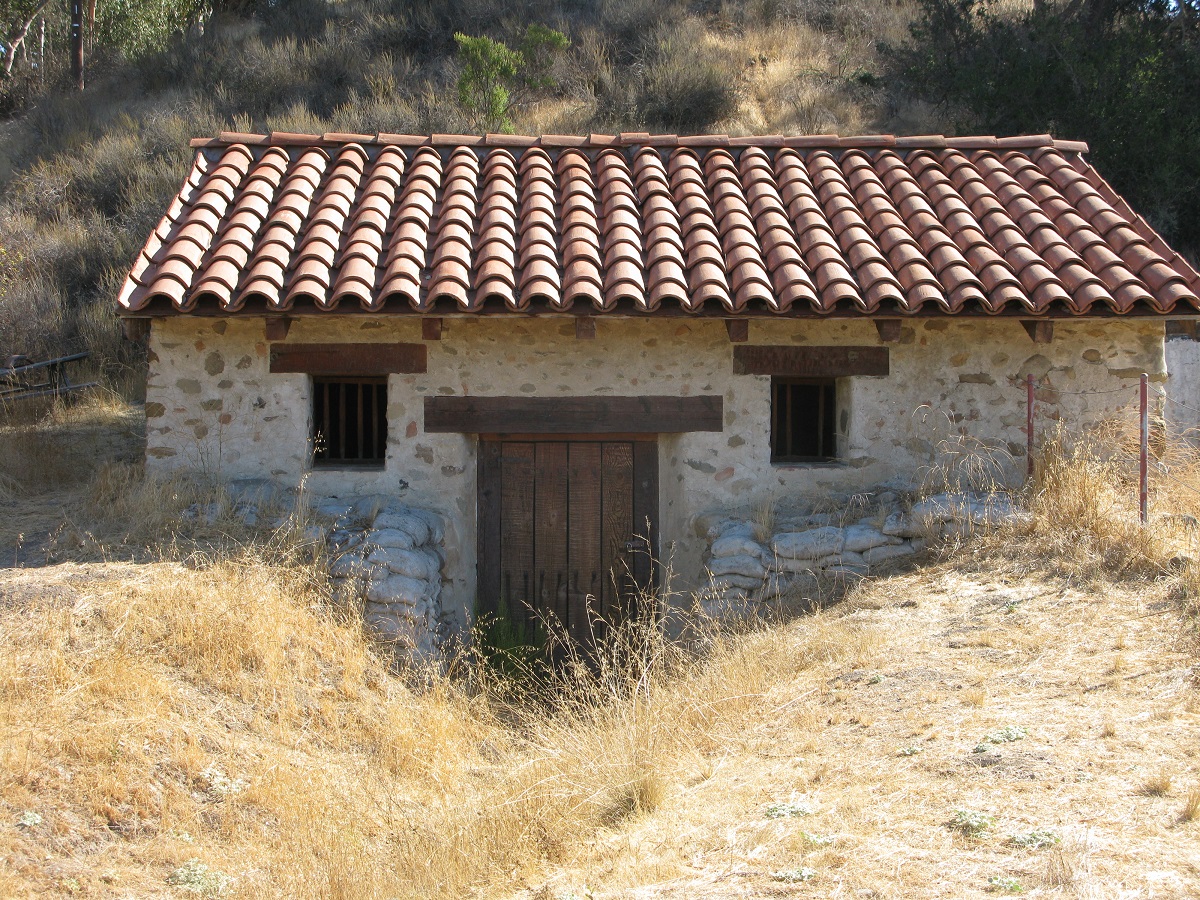
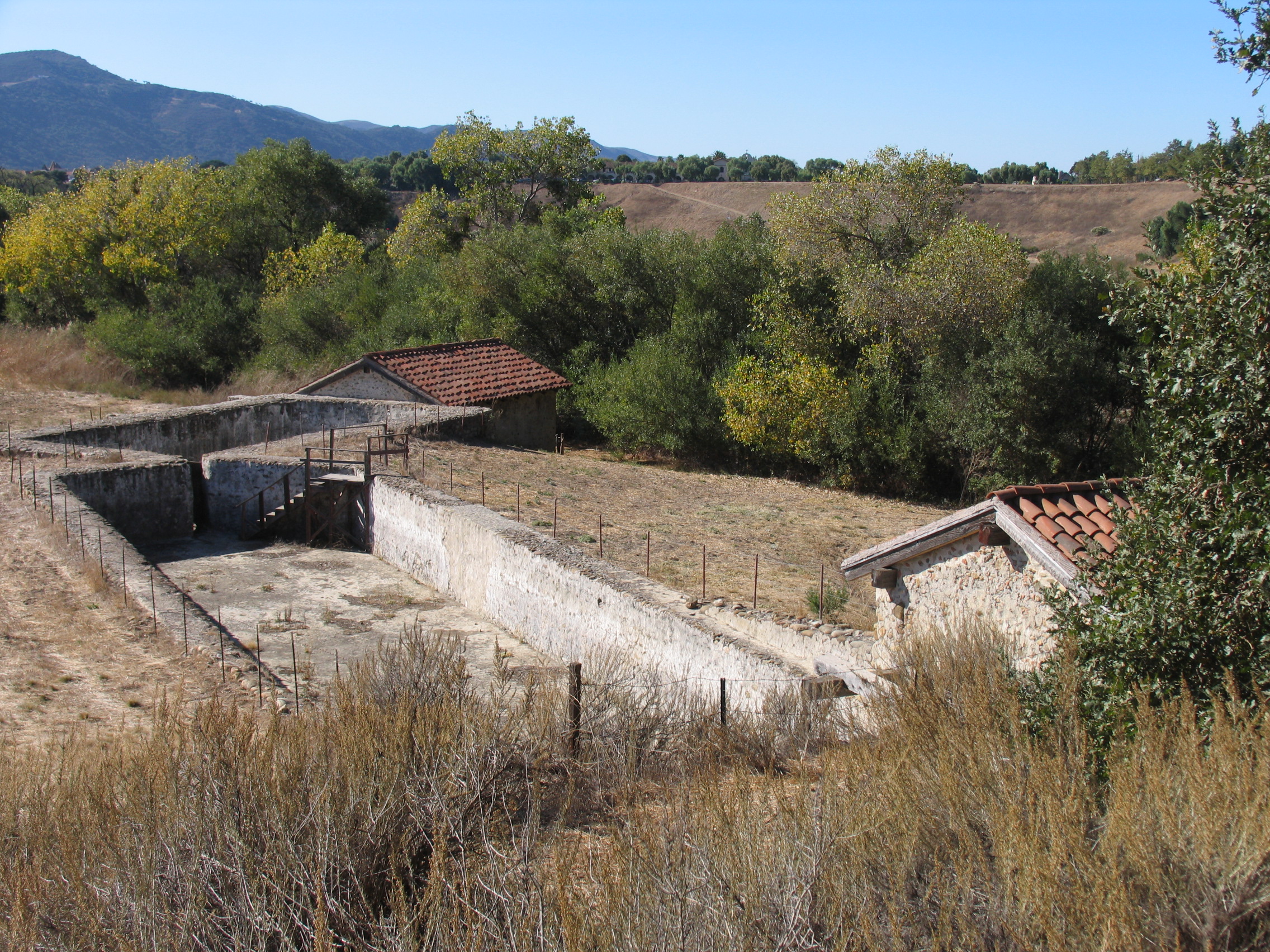
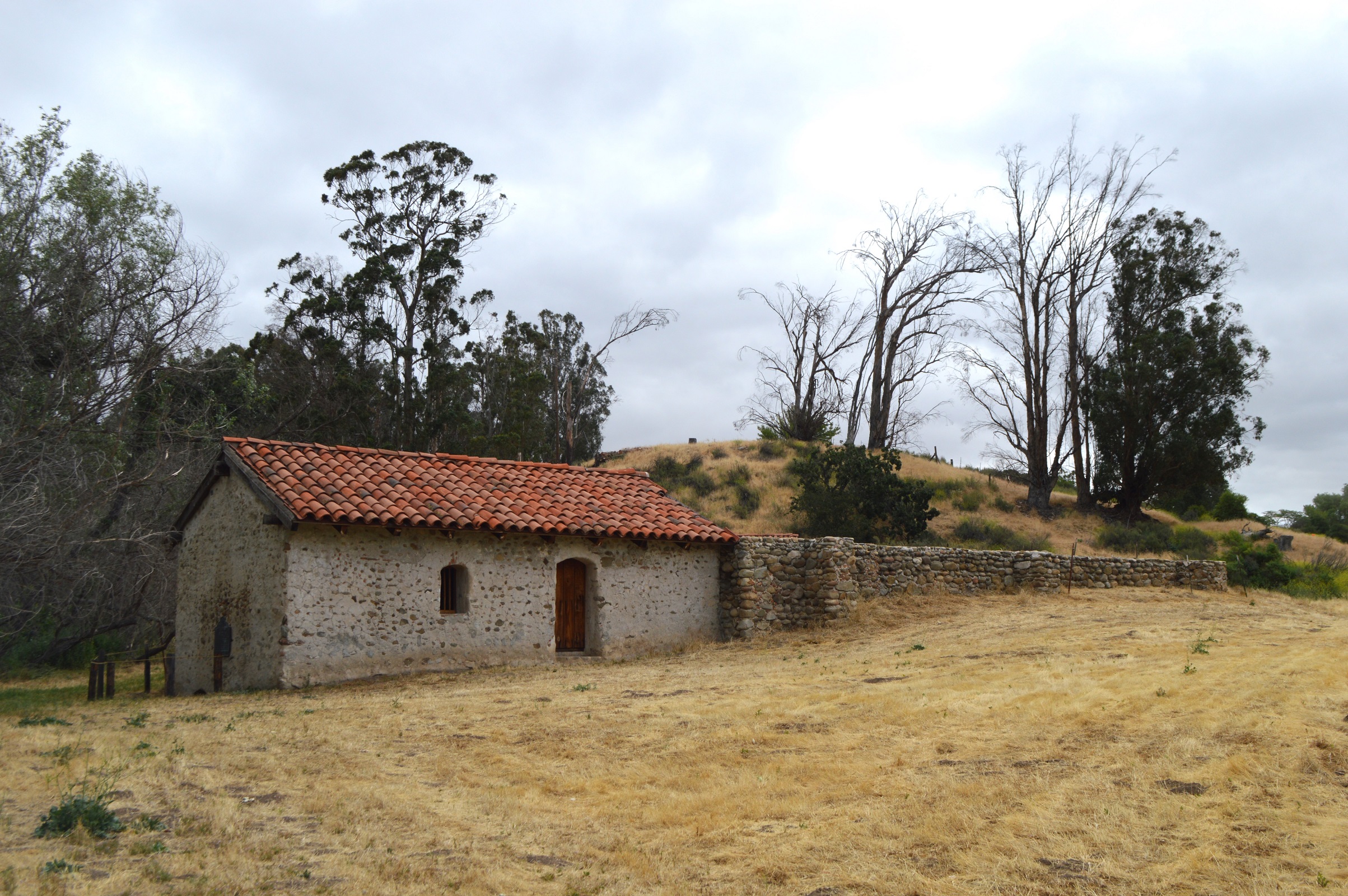
In late 2008, California State Parks purchased the Santa Inés Mission Mills complex from the Santa Barbara Trust for Historic Preservation, taking the first step towards creating a new state park in Solvang. The 39 acres of land, adjacent to Old Mission Santa Inés, is part of the Mission Santa Inés National Historic Landmark District and includes a historic grist, fulling mills and two associated reservoirs. The next step in park planning is for the California State Park and Recreation Commission to approve the proposed naming and classification of the park unit. State Parks continues to plan for future public access as well as the interpretation of the cultural and natural resources within the park and the Mission Santa Ines National Historic Landmark District.
Santa Inés Mission Mills - Map and Guide
In 2008, SBTHP was awarded a technical assistance grant from the National Park Service's Rivers, Trails, and Conservation Assistance (RTCA) Program to help facilitate partnership building, organizational development, and conceptual planning for the proposed park. With RTCA's help, California State Parks and SBTHP made initial contacts for a future partnership group that will help orchestrate efforts to open the Santa Ines Mission Mills property to public use.
Neighboring Old Mission Santa Ines has been an active partner in shaping the future park by granting trail easements to reconnect the Mills with the Mission. SBTHP planted 2,800 olive trees in order to reintroduce early Mission-era agriculture to the site. The currently envisioned system of walking trails through the olive grove will link the Mission complex to the Mills and provide interpretive opportunities for a significant era in California history. In October 2018, SBTHP presented a draft of the Initial Use Guidelines (IUG) for the Mills property to California State Parks' Planning Policy and Programming Committee (PPPC). In early 2019, PPPC approved the final draft of the IUG.
The next step in park planning is for California State Parks' Commission to approve the proposed naming and classification of the park unit. SBTHP continues to plan for future public access as well as the interpretation of the cultural and natural resources within the park and within the National Historic Landmark District. SBTHP is actively seeking community partners to participate in the planning process to develop equitable access and a sustainable plan for the long-term operation of the property for the benefit of the community.
Mission Mills, part of Mission Santa Ines National Historic Landmark, is the largest and most complete remaining milling and reservoir complex of any mission in the western United States.
Mission Santa Ines was constructed in 1806 on the ancestral lands of the Chumash People, the nineteenth of the twenty-one Spanish Missions. Missions were primarily constructed as an element of the colonization efforts of the Spanish, which included the religious instruction and forced labor of California Native American Tribes. Missions engaged in agricultural and light industrial production to support the populations within and beyond the mission, including soldiers and colonists.
Mission Mills was constructed beginning in 1819 to increase the wealth and agricultural production of Mission Santa Ines. A water powered grist mill, fed by two stone reservoirs, processed the grain that was grown in the surrounding area by Chumash laborers and local farmers. The mill ground wheat, oats, and barley into flour and corn into meal. Water was supplied by an earthen ditch or zanja, which diverted water from Zanja de Cota Creek more than three miles away.
A fulling mill for the processing of woolen cloth was added to the upper end of the large reservoir by 1821. It used machinery that pounded woolen cloth while it soaked in an abrasive solution. The fulling process tightened the weave of the cloth by removing excess natural oils and forcing the wool fibers to interlock, making it more water resistant and durable.
Violence and suppression of the Chumash people by priests and soldiers at Santa Ines resulted in the Chumash Revolt of 1824, the largest uprising of California Native American Tribes during the Spanish and Mexican colonization of California. After the uprising, agricultural production and processing slowed and eventually ended at Mission Mills by 1836, when the Mission was secularized by the Mexican government. The Chumash continue to care for the land today, as they have since time immemorial.
Designated a National Historic Landmark in 1999 by the National Park Service for possessing national significance in commemorating history in the United States, the 95 acre area composing the district is currently owned by three separate entities: The Archdiocese of Los Angeles owns Old Mission Santa Ines (40 acres), California State Parks owns the Santa Ines Mission Mills property (39 acres), and the City of Solvang owns Lot 72 (16 acres). Founded in 1804, Mission Santa Ines is one of the finest examples of a Mission complex containing buildings, structures, archaelogical sites, ruins, and artwork important to understanding the Hispanic and Native America heritage of California. The fulling mill, built in 1821 by Jospeh Chapman, is one of the earliest industrial sites in California and the only known water-powered fulling mill on the West Coast. Together these attributes for the basis for the area's national distinction.