Standish-Hickey State Recreation Area
Contact Information
(707) 925-6482
Reservation Availability
No upcoming camping/lodging reservations at this time.
About Standish-Hickey State Recreation Area
Park information
Upcoming Events
No upcoming events are listed for this park.

Day-Use Activities & Facilities
Trail Use
Welcome to Standish-Hickey State Recreation Area
To keep up to date on events happening in north coast parks, visit the North Coast Redwoods Facebook and Instagram pages.
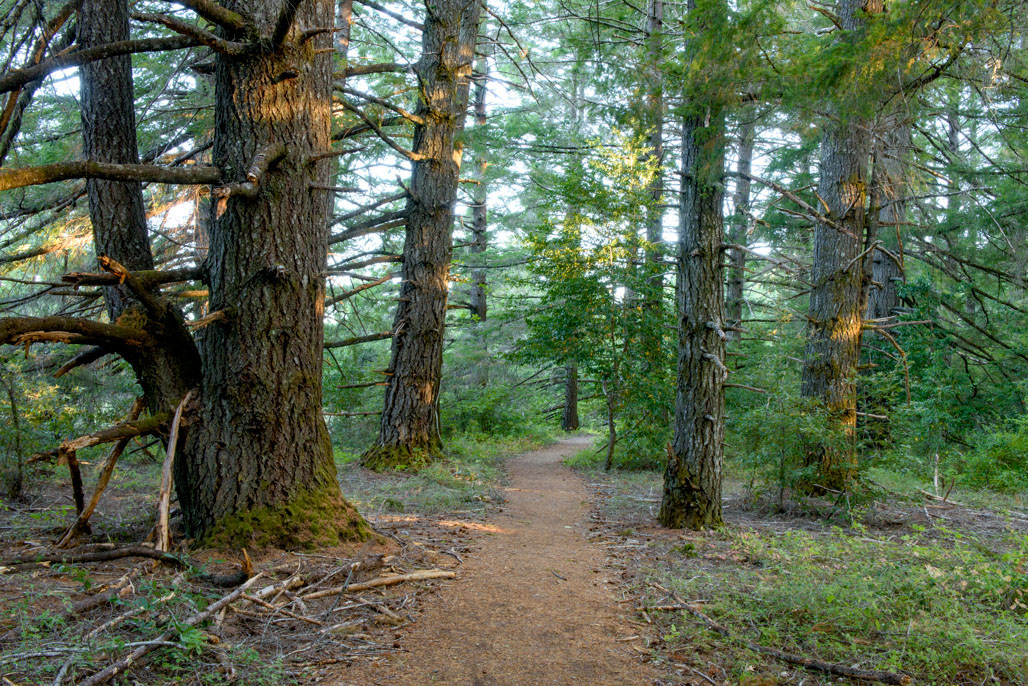
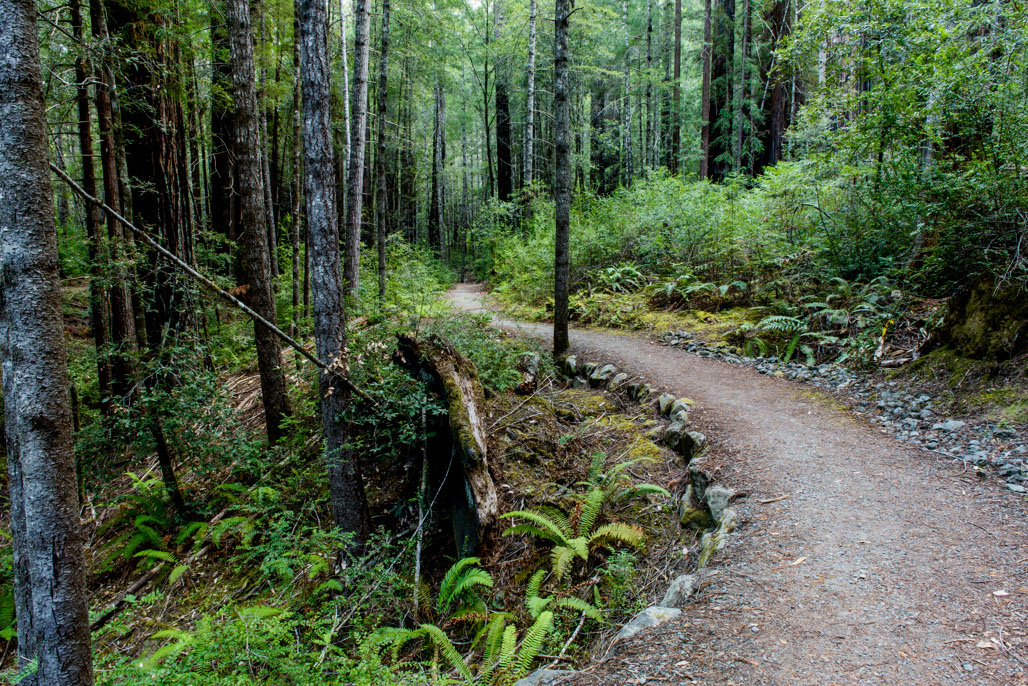
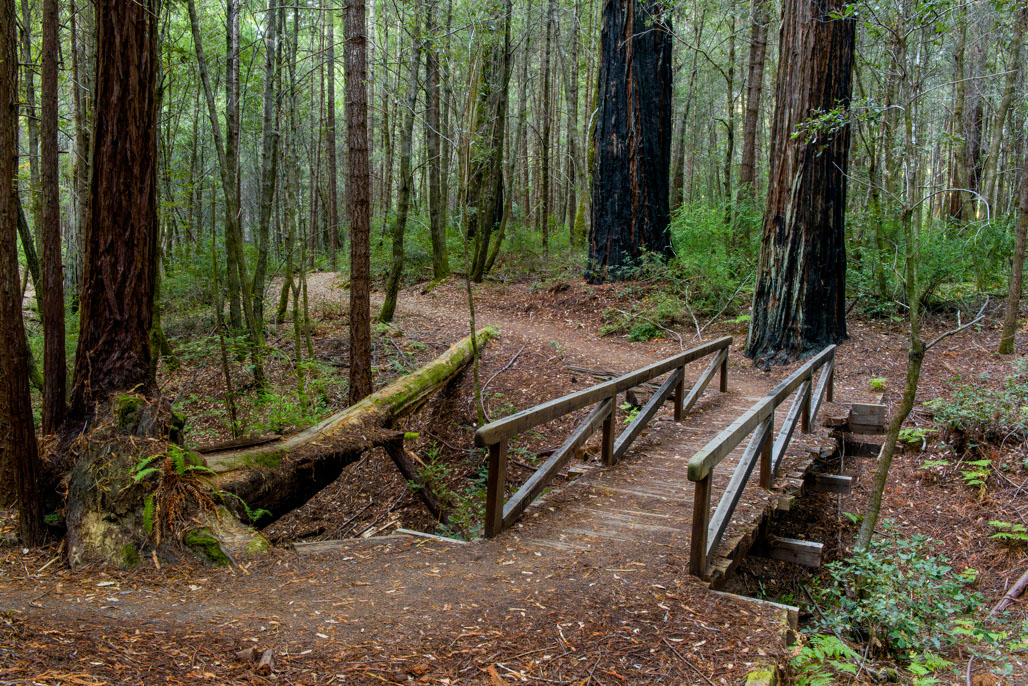
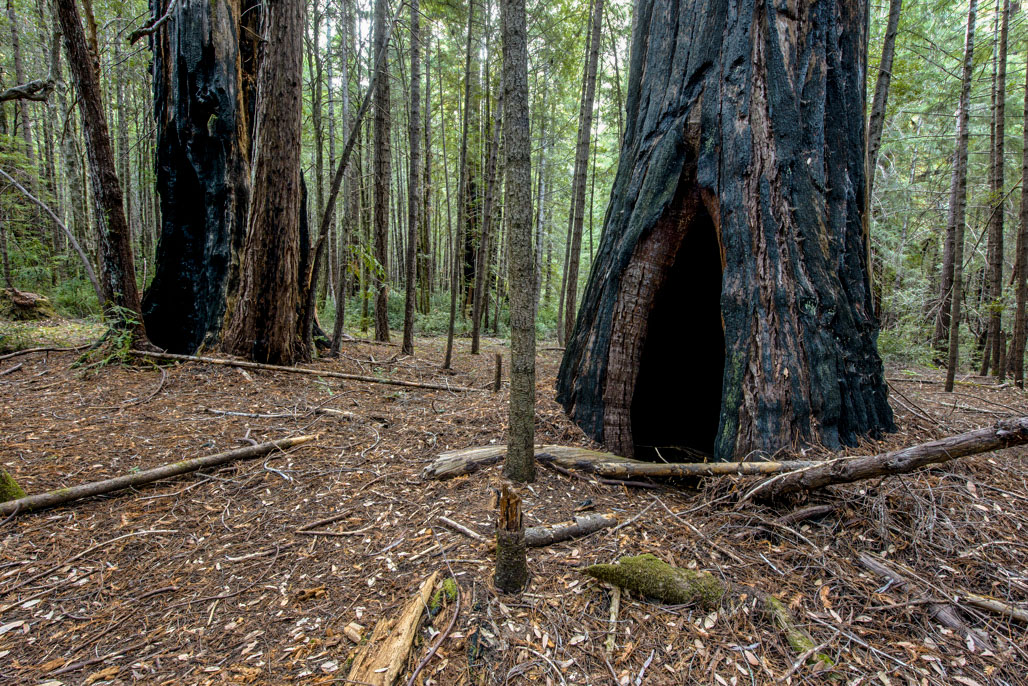
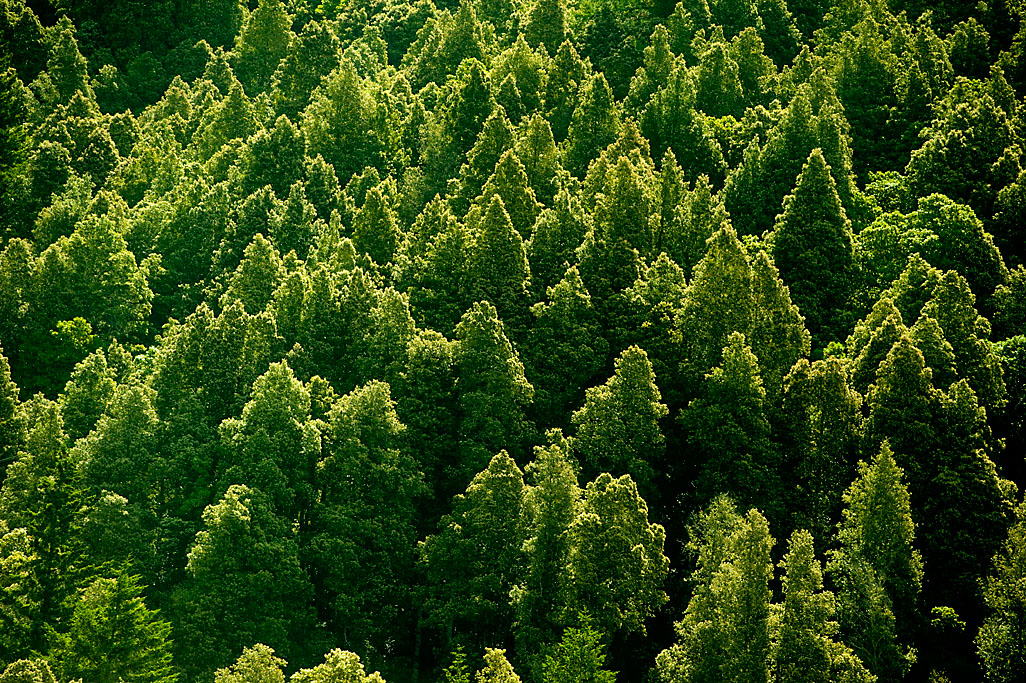
Standish-Hickey State Recreation Area is the southern gateway to the world-famous redwood belt along California’s North Coast. About 10 miles of trails weave through its steep canyon bluffs, second-growth forests, and clusters of old-growth redwoods. The tallest redwood, the 225-foot Captain Miles Standish Tree, is more than 1,200 years old. A two-mile stretch of the South Fork of the Eel River—with riffles, deep holes, and calm shallow areas—is popular with swimmers, kayakers, and anglers.
The park began as a 40-acre campground donated in 1922. Its name honors a lumberman’s son, Edward Ritter Hickey, who died while caring for victims of the 1918 flu epidemic. In the late 1950s, descendants of Captain Miles Standish, a pilgrim who landed on Plymouth Rock in 1620, added 500 acres. Subsequent donations from Save the Redwoods League have expanded the park to more than 1,000 acres.
A 180-mile drive from San Francisco, Standish-Hickey lies along Highway 101, 1½ miles north of the town of Leggett. The park entrance road is easy to find and paved to accommodate any street-legal vehicle. High water (and removal of seasonal bridges) makes much of the park, including hiking trails, inaccessible in winter, but at least one campground is always open.
Food Storage Information - IMPORTANT AND REQUIRED
Please ensure you are always storing the following scented items in the provided bear proof locker or your enclosed vehicle at all times, unless actively cooking or eating:
- Food
- Food containers
- Drinks (including beer, sodas, coffee, etc.)
- All coolersand icechests(seebelow for information about bear-proof coolers)
- Cooking implements or tools
- Dirty dishes, utensils or drinkware
- Scented personal hygiene items (deodorant, toothpaste, etc.)
- Trash (NO hanging trash bags in campsite - use provided trash receptacles)
Non-compliance may result in eviction from the park or other law enforcement action.
Bear-Proof Cooler Owners BEAR-PROOF COOLERS (Yeti, Pelican, Yukon etc.) MUST be secured with locks per manufacturer instructions in order to meet Interagency Grizzly Bear Committee (IGBC) standards. Failure to do so may result in a Food Storage Citation and up to a $1000 Fine Title XIV CCR 4323(b). It is recommended that a cable lock is also used to attach the bear cooler to a non moveable item. Bears are known to take off with and/or toss coolers around to try to open them.
What you know and do can prevent injury to bears and property—even to you, your family and friends! Once accustomed to sources of human food, bears will seek them out, creating conflicts with humans. The bear’s behavior cannot be easily corrected. For yours and the bears safety, the park has strict regulations in place.
More information available in our Black Bear Brochure.