Spring Wildflowers
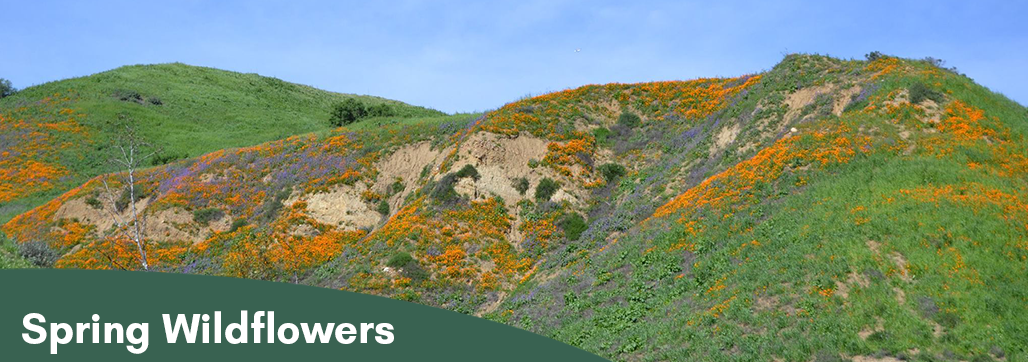
Chino Hills State Park is renowned for its vibrant displays of spring wildflowers, which can blanket the hillsides and meadows with a riot of color. The park's diverse landscape provides ideal conditions for a wide variety of wildflower species to thrive. Springtime, typically from Feburary to April, is when these floral displays reach their peak, attracting visitors eager to witness the spectacle of nature's beauty.
Wildflowers At Chino Hills State Park
Chino Hills State Park is wearing its finest shades of green and gold. From the deep emerald of the oak groves to the soft gold of the grass hillsides, the rolling landscape is lush, layered, and stunning in its own quiet way. The trails are open, the views are sweeping, and the park is very much alive — just not with the wildflower blooms many visitors hope to find.
With more than 14,000 acres of rolling, grassy hills and valleys dotted with stands of oaks and sycamores, Chino Hills is a premier natural open-space area in the hills around the Santa Ana Canyon. Learn more on the Plan A Visit page.
Current Wildflower Condtions - As of March 19, 2026
Ranger Report, 3/19/26.
We want to be straightforward with our visitors: there is no superbloom this year, and there are no sweeping wildflower displays across the hillsides. The conditions simply did not align for a bloom this season.
However, for those with a patient eye and a slow pace, there is still something wonderful to discover. Native wildflowers are sprinkled throughout the park — it’s a wildflower scavenger hunt, and totally worth slowing down for. These individual plants, diverse as diverse comes, are scattered far and wide across the park’s many habitats. They are small, they are solitary, and they are a genuine delight to find. These native species add beautiful variety and support local ecosystems, especially for pollinators.
For state parks with potential wildflowers, visit California State Parks’ Wildflower page.
A Birdwatcher's Paradise
What the park may lack in blooms this season, it more than makes up for in wings. Many nesting birds are migratory species that arrive from Central and South America each spring to raise their young in the park’s streamside habitats.
Because of its great variety of habitats and microclimates, Chino Hills State Park is an ideal location for observing wildlife native to Southern California. More than 200 species of birds and mammals, numerous reptiles and amphibians, and thousands of types of insects and other invertebrates live in the park. Golden eagles, red-tailed hawks, red-shouldered hawks, kestrels, barn owls, and great-horned owls are all known to nest here.
Some of these animals — including the Least Bell’s vireo, the California gnatcatcher, and the coastal cactus wren — are considered rare, threatened, or endangered. Spotting any of these species is a privilege. Please observe from a respectful distance and never disturb nesting areas.
Native Pollinators at Work
Even without a carpet of blossoms, the park’s native pollinators are busy doing what they do best. Butterflies, native bees, and other insects move purposefully through the grasses and scrub, finding the individual wildflower plants scattered along the trails. These small wildflower plants, though few and far between, are doing important ecological work — and the pollinators know exactly where to find them.
Hike Safe-- Know Before You Go
Chino Hills is a beautiful park, and we want every visitor to return home safely. Please read all of the guidelines below before heading out on the trail. For a full list of trails and trailhead locations, visit the Recreation page.
Stay Hydrated
Carry more water than you think you’ll need, especially on longer hikes. Drinking water is available at the Discovery Center, the Rolling M Ranch area, and the Equestrian Staging area — but there is no water along the open trails. Temperatures can rise quickly and shade is minimal. Do not rely on finding water on the trail.
Protect Yourself from the Sun
Nearly all trails are open to the elements with very little tree coverage. Before you leave your car, apply a broad-spectrum sunscreen of SPF 30 or higher to all exposed skin. Bring it with you and reapply throughout your hike. Also wear:
- A wide-brimmed hat
- UV-protective sunglasses
- Breathable, long-sleeved shirts for additional sun protection
Time Your Hike Wisely
Early mornings and late afternoons are the safest and most comfortable times to hike. Avoid the peak heat of midday, especially in warmer months.
Carry a Map and Tell Someone Your Plans
All hikers should carry a physical or downloaded map of the park’s trail system. Do not rely solely on cell service, which can be unreliable in the park. Before you leave home:
- Tell a friend or family member which trail you are hiking
- Tell them when you expect to return
- Tell them what to do if they don’t hear from you by that time
Snakes Are Active — Watch Every Step
Rattlesnakes and other native snakes are active throughout the park from now through November. The two most common are the Southern Pacific Rattlesnake and the Red Diamond Rattlesnake. They can be found on trails, in grass, under rocks, and along creek banks. If you see a rattlesnake, stop and wait until the snake leaves the area on its own. Stay on designated trails, watch where you place your feet and hands, and never attempt to handle or harass a snake.
Stay on Designated Trails
For your safety and to protect the park’s fragile ecosystems, always remain on designated trails. This is especially important right now, when the small individual native plants scattered across the landscape are easily trampled. For safety’s sake, don’t hike alone.
Please note: The Hills For Everyone Trail and the North Ridge Trail (between the Telegraph Canyon Trailhead east to Gilman Trail) are currently closed due to erosion. Check the Recreation page for the latest trail closures before your visit.
Park Closure Policy
The park closes for at least 48 hours following rainfall of more than one quarter inch due to high clay content in the soil, which makes trails dangerously slick and causes severe rutting. The park also closes during Red Flag Warning conditions. Check trail status by calling 951-780-6222 before visiting after any precipitation.
