
Actions Taken
SHRC Registration Actions Taken in 2026
The nominations below were reviewed by the State Historical Resources Commission during the year 2026. Scroll down to view subsequent actions by quarter. New actions are added to the end of this page after each quarterly State Historical Resources Commission meeting. Agendas from past meetings are downloadable in PDF format below on the right sidebar.
February 6, 2026 SHRC Meeting
The following properties were reviewed at the February 6, 2026 SHRC meeting in Sacramento, Sacramento County.
Properties nominated to the National Register of Historic Places
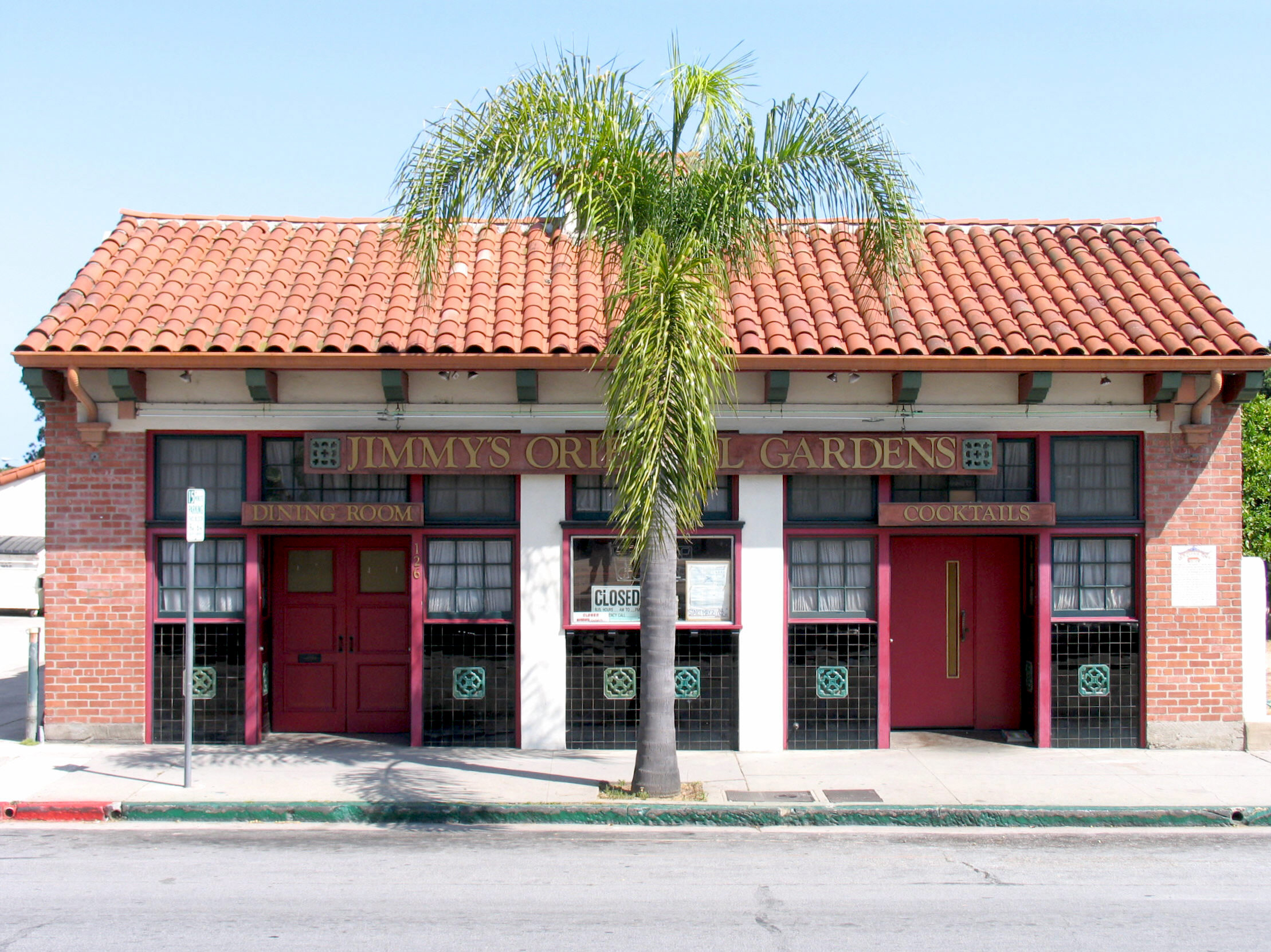 Jimmy’s Oriental Gardens and Chung Family House are located in a commercial neighborhood of Santa Barbara’s downtown area. The restaurant building at the front of the property is the only building with any Chinese architectural features that remains of New Chinatown, the last remaining evidence that there was a Chinese American community on this block where Chinatown relocated after the 1925 earthquake. The building at the rear of the property is a two-story residence, a duplex constructed in a Spanish Colonial Revival style. Both buildings were constructed in 1946, associated with restaurant owner Jimmy Chung. As a Chinese-operated business, the property meets the registration requirements of the Business, Industry, and Labor historic context of Asian Americans and Pacific Islanders in California, 1850-1995.
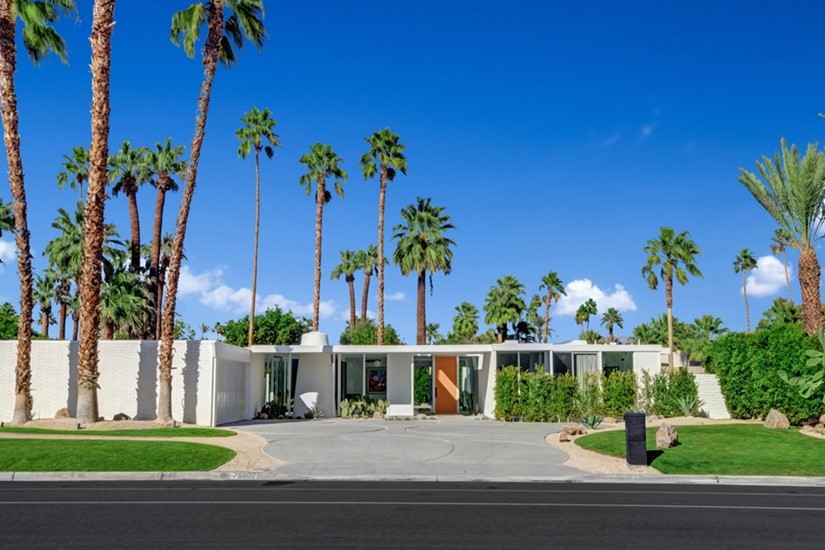 Desert Bel Air Showcase House, designed by William Cody in 1961, is positioned across from the vehicular entry to Eldorado Country Club Estates, master planned by Cody. This low-slung house in Indian Wells, Riverside County is a significant and local expression of the Modern Style in the Coachella Valley. Master architect William Cody displayed innovation and forward-thinking regarding the architecture and engineering of the house, whose character-defining features place it within the historic context of the Desert Midcentury Modern period.
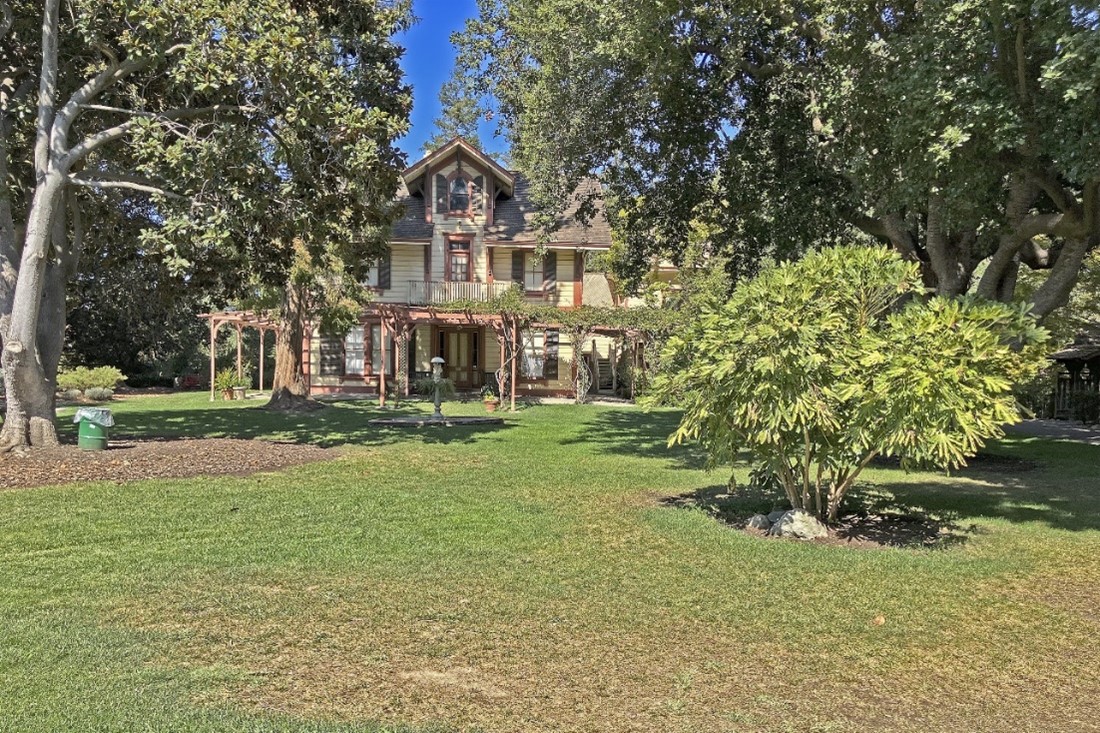 Shinn Ranch Farmstead, later known as Shinn Historical Park and Arboretum, occupies 4.5 acres in a central area of Fremont, Alameda County, and is the last surviving part of Shinn Ranch that at one time consisted of just over 300 acres. The farmstead is in the classic arrangement of nineteenth-century California farmsteads with two related parts, a domestic or house yard in front and a working yard or barnyard behind with the buildings in each part generally at right angles to each other and to the whole. The property is significant for its association with the operation of Shinn Ranch, with the influential and highly accomplished members of three generations of the Shinn family, and as a rare surviving embodiment of a once typical California farmstead.
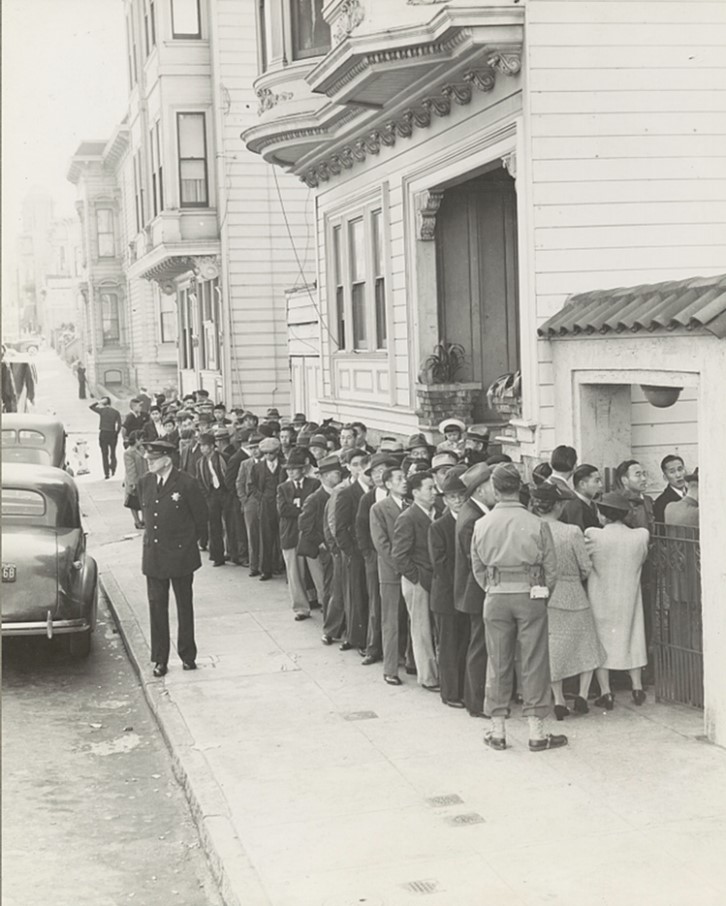 Kinmon Gakuen, an educational Mediterranean Revival-style building constructed in 1926 in San Francisco’s Japantown—the oldest Japantown in the continental United States and one of the last three remaining Japantowns in the country—was initially associated with the social, cultural, and educational development of Japanese immigrant and Japanese American children. In 1942, the building was seized by the US military as a processing center where all persons of Japanese ancestry living in the City and County of San Francisco were required to register their family name and members of their household before they were forcibly removed from City limits and incarcerated. The building served as the temporary facility for the Booker T. Washington Community Service Center to assist African Americans who were recruited to work in San Francisco to meet wartime requirements. In 1952, Kinmon Gakuen moved back into the building. Associated with Community Serving Organizations, the property meets the registration requirements of Asian Americans and Pacific Islanders in California, 1850-1995.
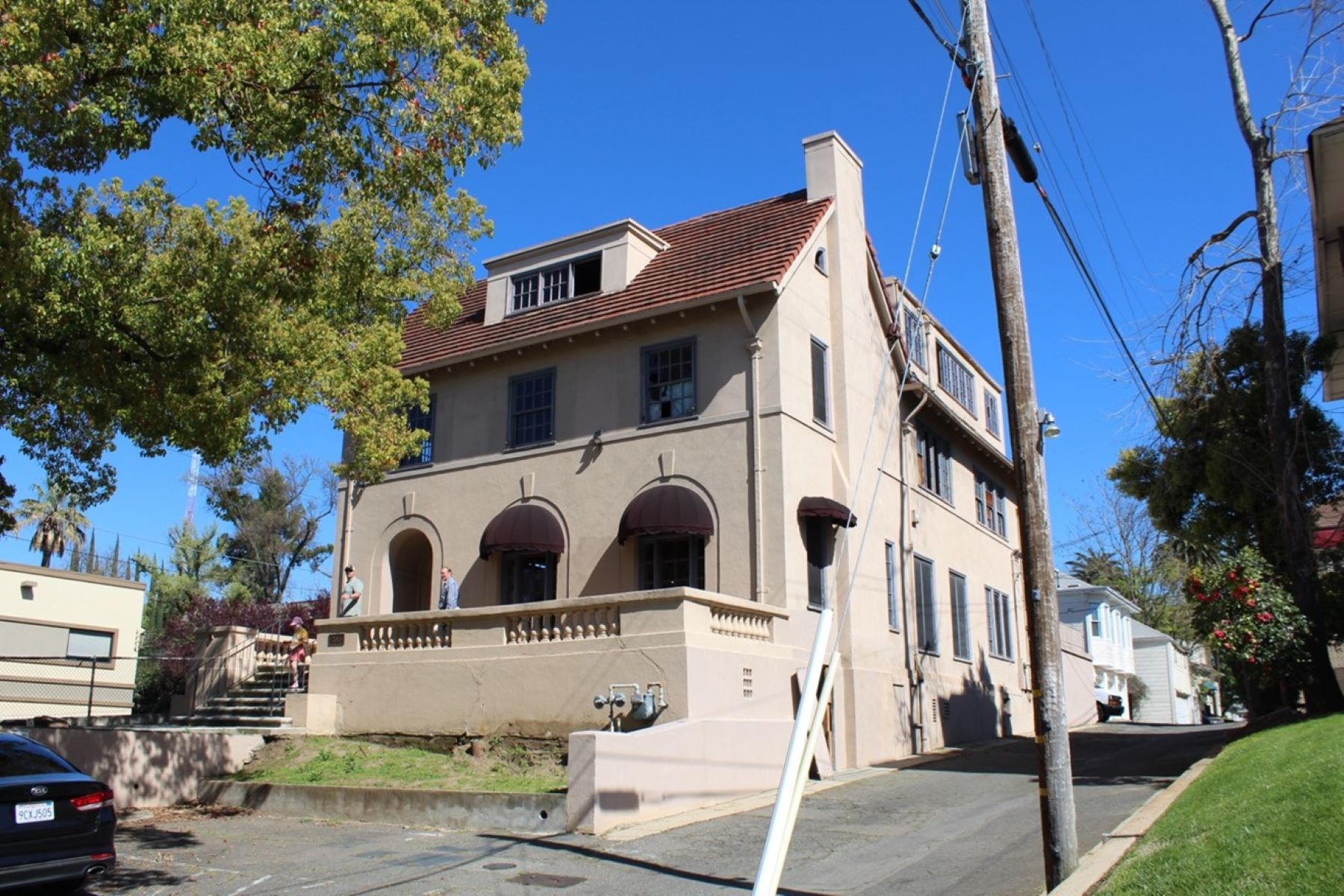 Briggs Mansion is a four-story French Eclectic residence in Sacramento's Poverty Ridge neighborhood, designed for Dr. Wallace Briggs and his wife Ella, completed in 1915. At the time of its construction, it cost $17,000 to build, when the price of a typical Sacramento home was $1500-$3000. While the architect of the mansion is unknown, the building is a locally significant example of French Eclectic architecture, and notable as one of the most prominent homes of the wealthy Poverty Ridge neighborhood. The mansion later became a secretarial school.
Architecture of Aaron G. Green MPDF addresses the work of architect Aaron G. Green, during the period 1948-1998, and includes his portfolio of public, residential, and interment architecture. Green was a master of the Organic Architecture style, who worked with Frank Lloyd Wright in his later years. Green was a talented landscape designer, wo viewed the articulation of the surrounding natural environment as an essential part of the overall composition of his work. As a residential architect, Green's commissions included the Charlton Dukes residence in Flintridge, and the Ohta residence in Santa Cruz, both designed in the Organic style. Green was assigned by Wright to oversee the interiors and landscaping of the Marin County Civic Center, which spurred later commissions to design civic buildings in the San Francisco Bay Area. In addition to public and residential buildings, a significant amount of his commissions were associated with funerary functions, including chapters, funeral homes, mausoleums, columbariums, and crematoriums.
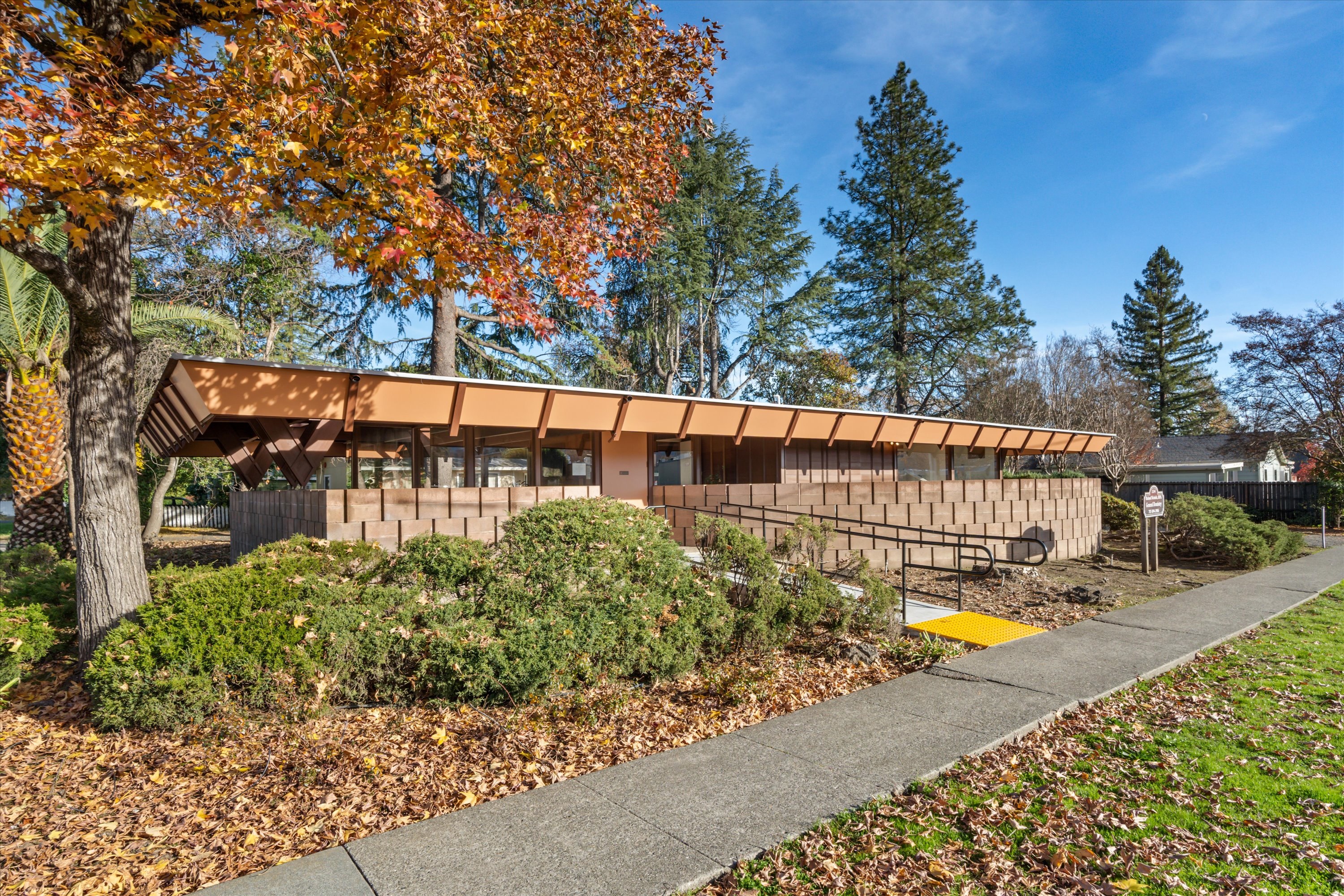 Ives Dental Office is nominated under cover of the Architecture of Aaron G. Green MPDF as an example of Aaron Green's commercial architecture; a one-story Modernist medical office located in Cloverdale, Sonoma County, completed in 1965. The concrete masonry and glass dental office has a masonry exterior wall integrated into the building and extending into the building's interior, and blends in with the surrounding foliage and landscape.
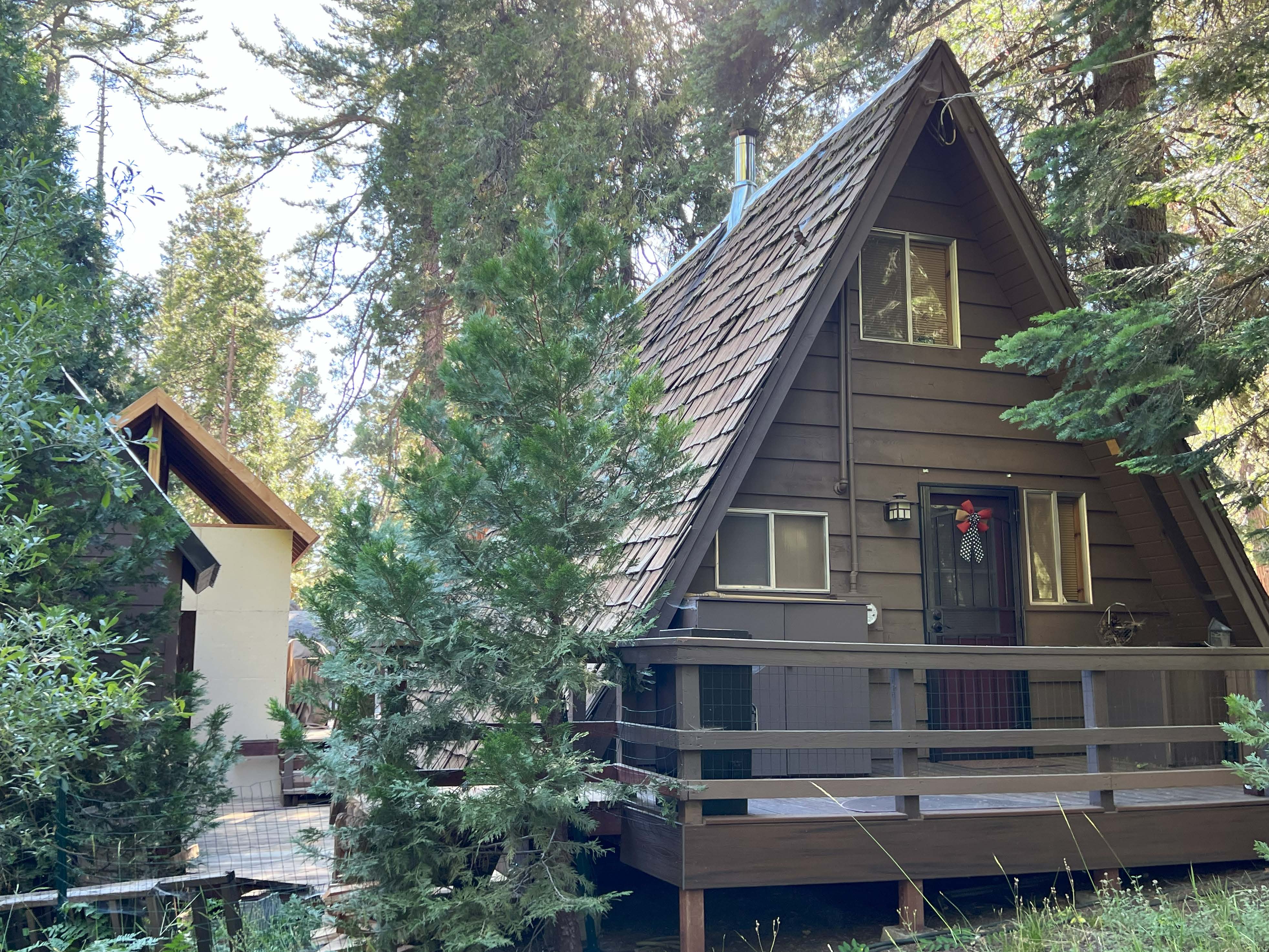 Wilsonia Historic District (Amendment) is a second and final amendment to the 1995 historic district, extending the period of significance to include later construction of cabins in a 100-acre village within the General Grant Grove section of Kings Canyon National Park. This privately-owned inholding, wholly surrounded by the National Park, is a community of rustic mountain cabins built by residents of the San Joaquin Valley for use as summer homes and for outdoor recreation; all but two are seasonal residences. The tracts were subdivided between 1918-1921, with the oldest extant cabins dating from 1918. The amendment adds new contributors, and removes previous contributors that have lost integrity from alteration or demolition. The ending of the revised period of significance is 1978, coinciding with the National Park Service's change in policy ending a program allowing private inholdings within national state parks.
Request for Removal (Delisting)
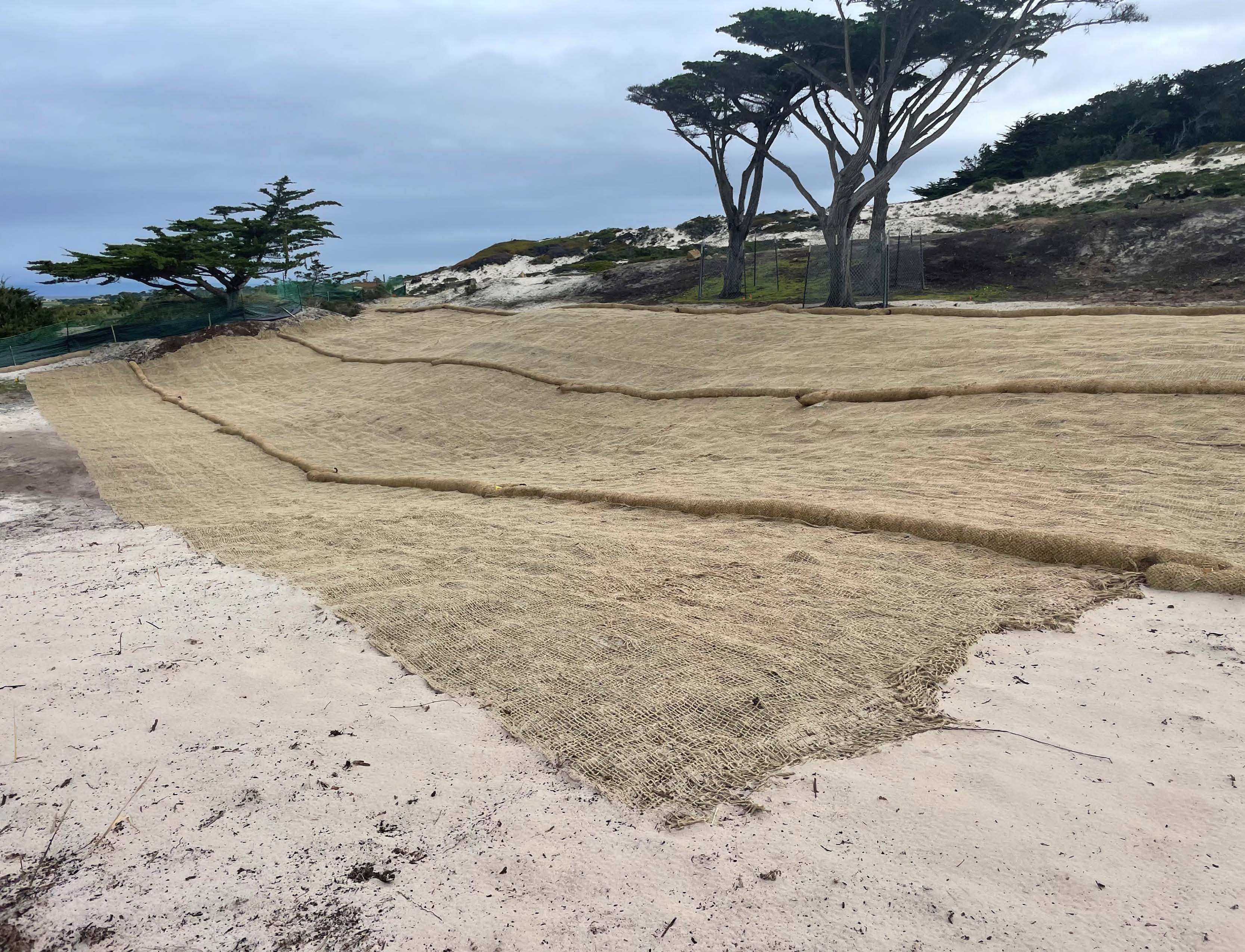 Connell, Arthur & Kathleen, House was determined eligible for the National Register of Historic Places in 2014 as an excellent example of the International Style within the Modern Movement in Pebble Beach, Monterey County, and representative of master architect Richard Neutra’s mid-century residential work. Completed in 1958, the house was demolished in February 2024 and has ceased to meet the criteria for eligibility for the National Register because the qualities which caused it to be originally determined eligible have been lost or destroyed.
Properties nominated to the California Register of Historical Resources
 Claremont Club is a clubhouse building designed by master architect Charles Kaiser Sumner, initially completed in 1911, but expanded in 1916 and 1924. The Claremont Club was founded in 1908 as a fraternal organization at the home of R.H. Van Sant, and was intended to remove and maintain the newly developing Claremont Park subdivision. The club's founders purchased land for the clubhouse to serve as a community gathering place to serve the influx of middle and upper class residents building homes in Claremont Park. Upon opening of the clubhouse in 1911, membership became open to both men and women.
May 7, 2026 SHRC Meeting
The following properties were reviewed at the May 7, 2026 SHRC meeting in Riverside, San Bernardino County. Note: Reimers' Stonehouse Terrace was removed from the agenda at the hearing.
 Los Angeles General Hospital, Acute Unit is a district of 19.5 acres, forming part of the Los Angeles General Medical Center. Designed by Allied Architects Association of Los Angeles (Applied Architects) and built between 1927 and 1933, the Acute Unit is dominated by a 19 story, roughly H-shaped steel framed building encased in board-formed concrete, but also includes surrounding entry gates and related features. The property is eligible under Criterion A in the areas of Health/Medicine and Social History for its association with the large scale expansion of Los Angeles County medical services, and advocacy against sterilization practices that affected Chicana women at the hospital. The property is also eligible under Criterion C in the area of Architecture as a prominent Art Deco hospital building--at the time of its construction, the largest one in the world.
 San Diego Bungalow Courts MPDF documents the history of bungalow courts in San Diego and provides a framework for nomination of associated properties to the National Register of Historic Places. The majority of the intact and significant bungalow courts in the City were constructed between 1920 and 1949. Bungalow courts are characterized by their organization of one-story residences oriented around a centralized and shared space with a clear connection to the street. Some examples also feature original garages at the rear of the property for resident parking. Bungalow courts are typically arranged in an L- or U-shape plan, and contain detached, semi-detached, or attached units.
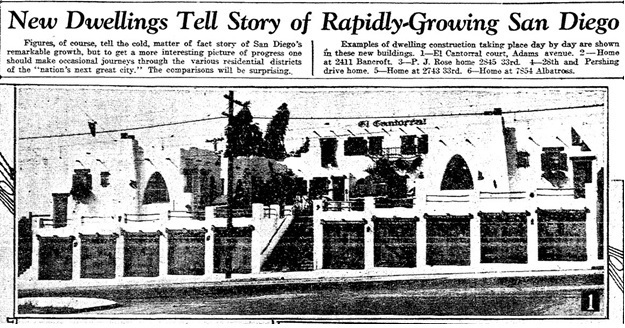
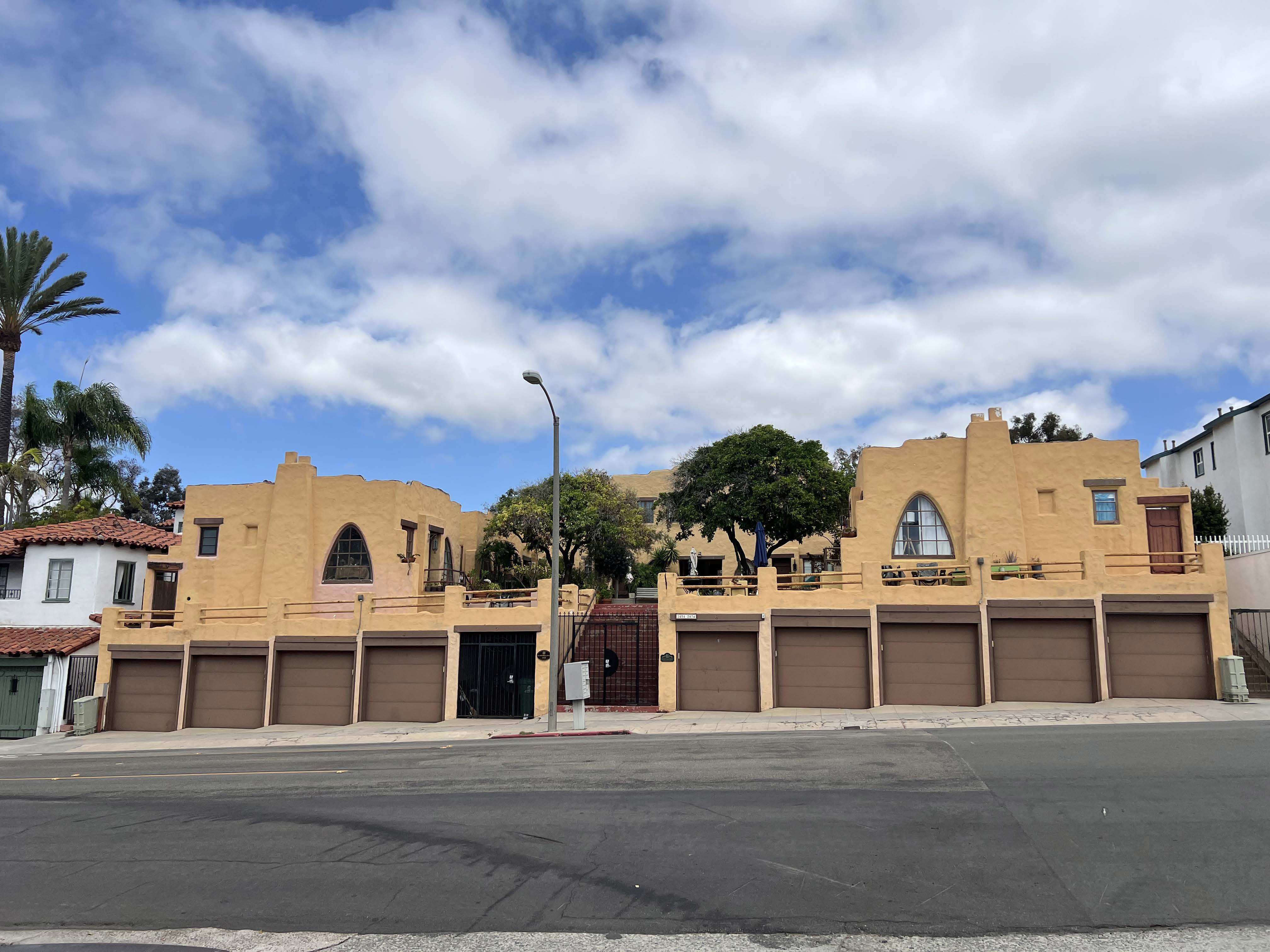 El Cantorral Court (San Diego Bungalow Courts MPDF) is significant as an excellent example of the bungalow court property type in San Diego, California, and is an excellent local representation of the Pueblo Revival architectural style, built in 1928 by master builder Glen Funcheon.
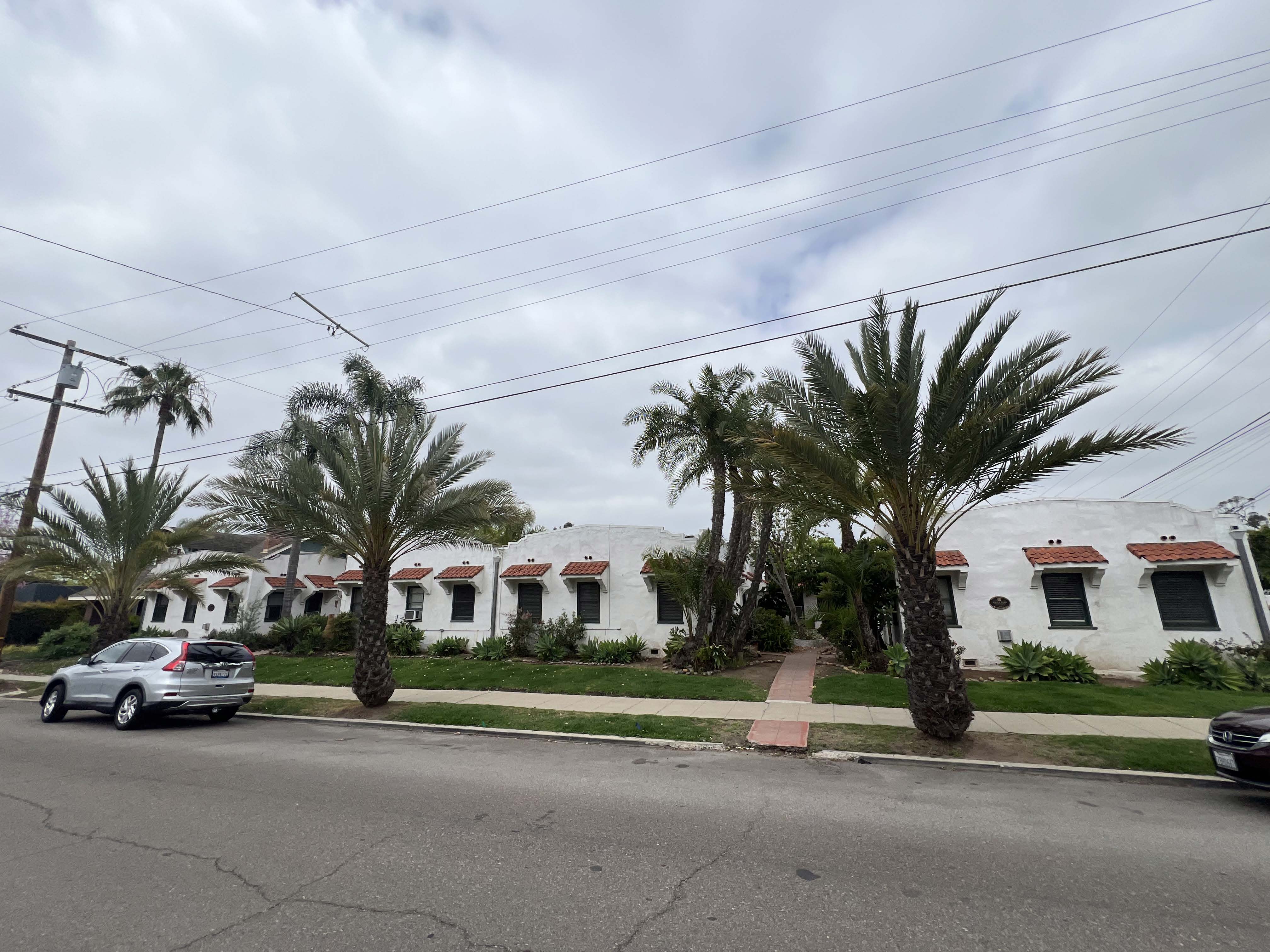 Elm Courts(San Diego Bungalow Courts MPDF) is significant as an excellent example of a Spanish Colonial Revival style bungalow court, built in 1925. It features two U-shaped courts containing detached and semi-detached residential units. At the rear of the property is a set of non-contributing garages/storage areas and one additional non-contributing detached garage. The residential units are clustered around a central courtyard.
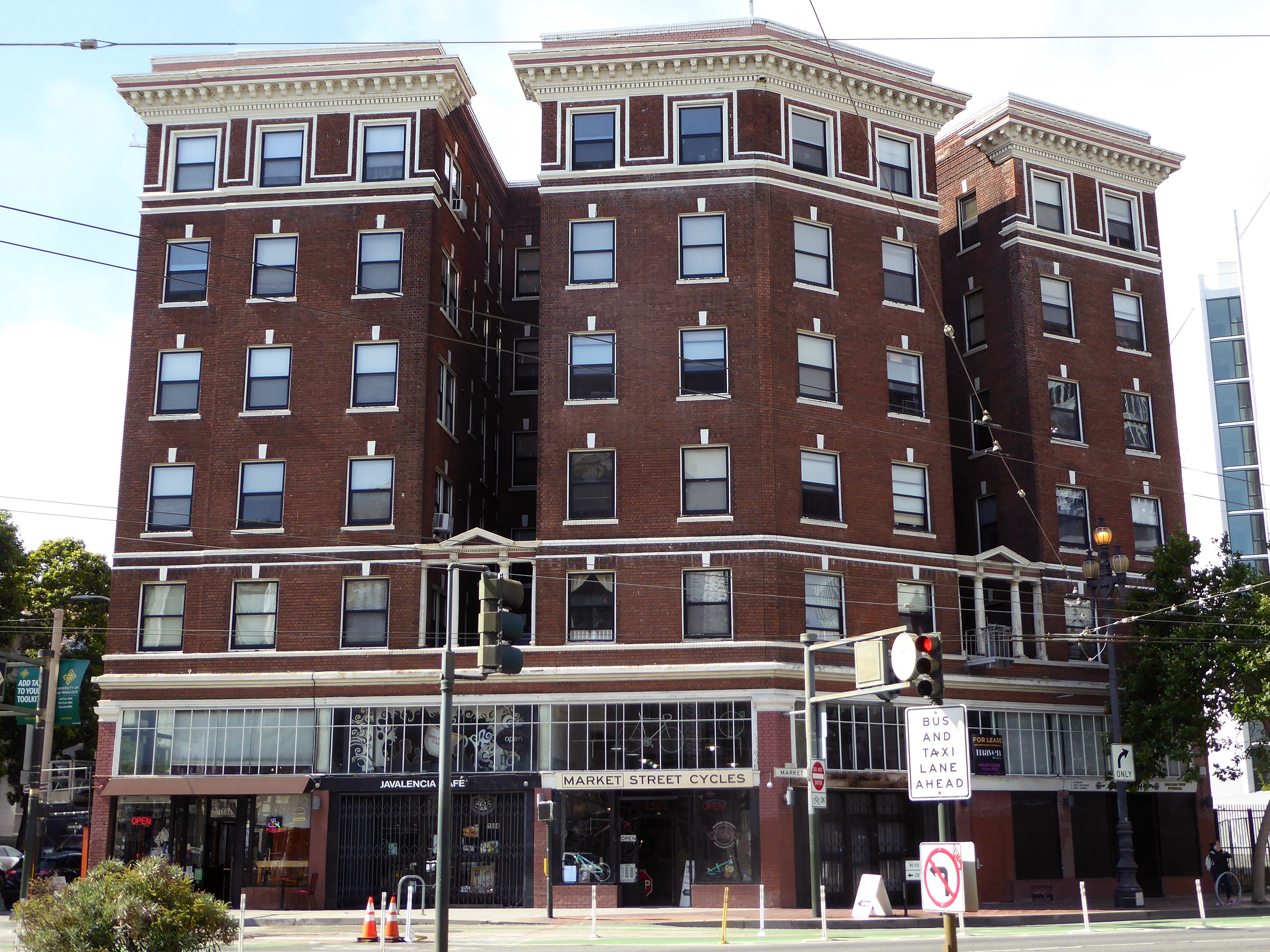 Raymond Hotel Apartments is a six-story commercial and residential building completed in 1912, designed by architect of merit Gustave Lansburgh in the Classical Revival architectural style, with a distinctive irregular footprint and prominent light wells. The building is of steel-framed masonry construction and features a decorative metal cornice and string courses, glazed brick windowsills and surrounds. The irregular form conveys the constraints of the angled lot shape and maximizes air and light access within its small apartments.
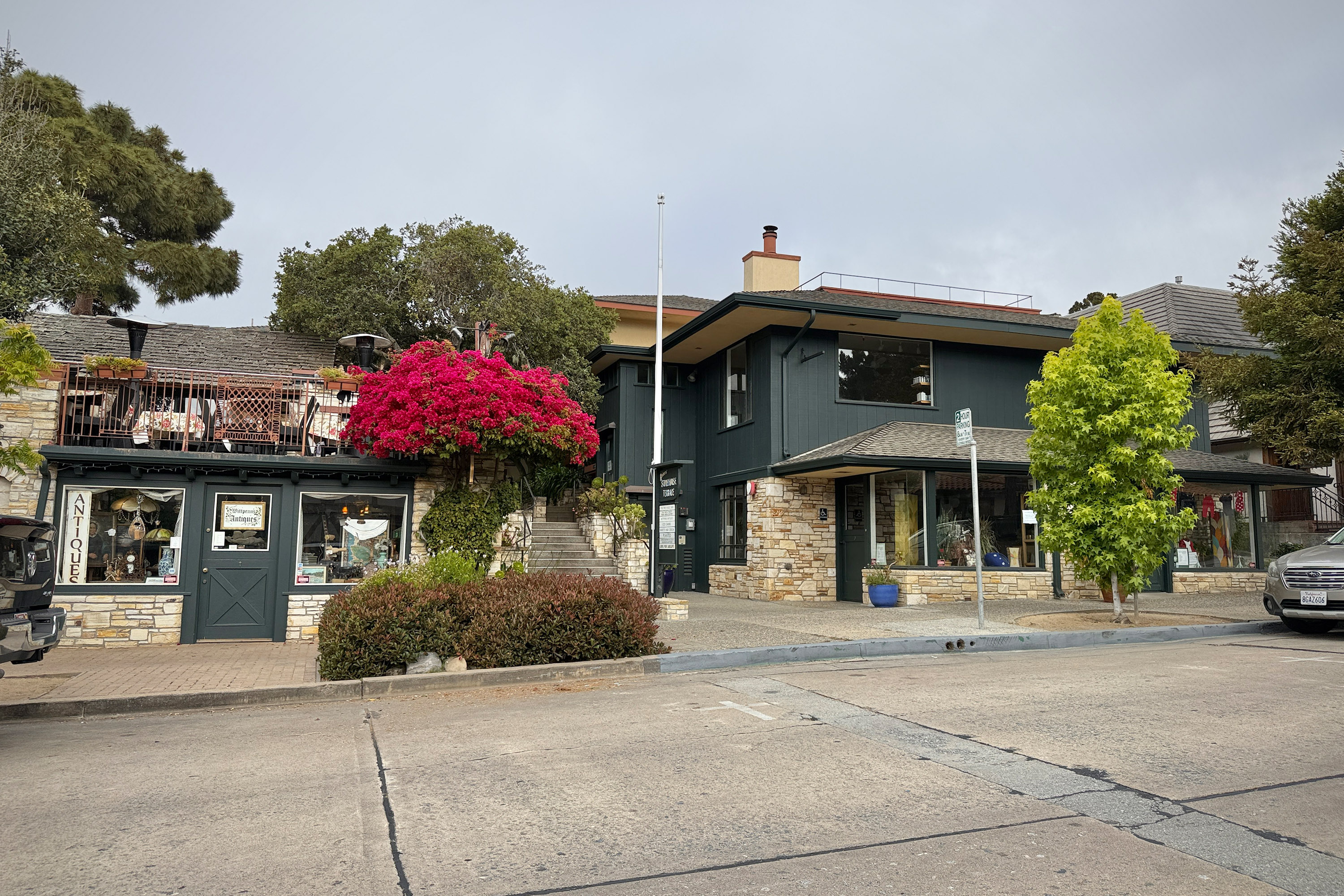 Reimers’ Stonehouse Terrace comprises the renovation of a free-standing, existing, stone-clad cottage, built in approximately 1910, and the 1977 addition of a two-story L-shaped building in the Modern style featuring deep overhangs, low hipped roofs, and a mix of stone, stucco, and wood cladding, recalling the work of Frank Lloyd Wright. The addition’s Modern design employs master architect Olof Dahlstrand’s repertoire of character-defining features and embodies his respect for the existing built fabric surrounding the property. With its landscaping and simple palette of natural materials, Dahlstrand’s work also recalls Carmel’s older allegiance to nature, simplicity, and rusticity.
August 7, 2025 SHRC Meeting
The following properties were reviewed at the August 7, 2026 SHRC meeting in Sacramento, Sacramento County.
Reimers’ Stonehouse Terrace comprises the renovation of a free-standing, existing, stone-clad cottage, built in approximately 1910, and the 1977 addition of a two-story L-shaped building in the Modern style featuring deep overhangs, low hipped roofs, and a mix of stone, stucco, and wood cladding, recalling the work of Frank Lloyd Wright. The addition’s Modern design employs master architect Olof Dahlstrand’s repertoire of character-defining features and embodies his respect for the existing built fabric surrounding the property. With its landscaping and simple palette of natural materials, Dahlstrand’s work also recalls Carmel’s older allegiance to nature, simplicity, and rusticity.
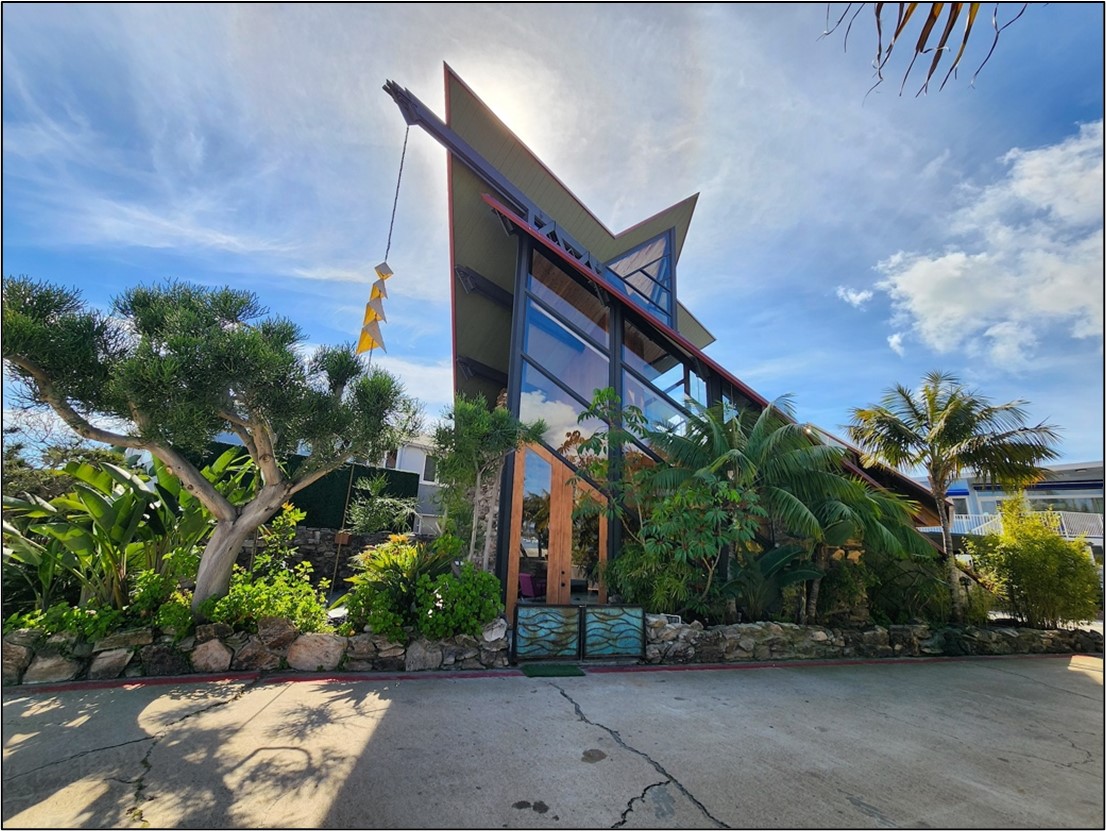 Babcock, Russell E. and Virgie R., House occupies a triangular shaped parcel in the residential neighborhood of Mission Beach, San Diego. The two-story, 2,577 square foot irregularly shaped building was designed in the Organic/Expressionism style, identified locally as Organic Geometric. The house is composed of an irregular A-frame massing covered by steeply pitched roofing forms clad in copper metal sheeting. Built in 1959, an addition completed in 2006 was designed by the original architect, Kendrick Bangs Kellogg. The first work completed by Kellogg as a solo practitioner, the property is representative of both his early career development and his progression at the end of his career.
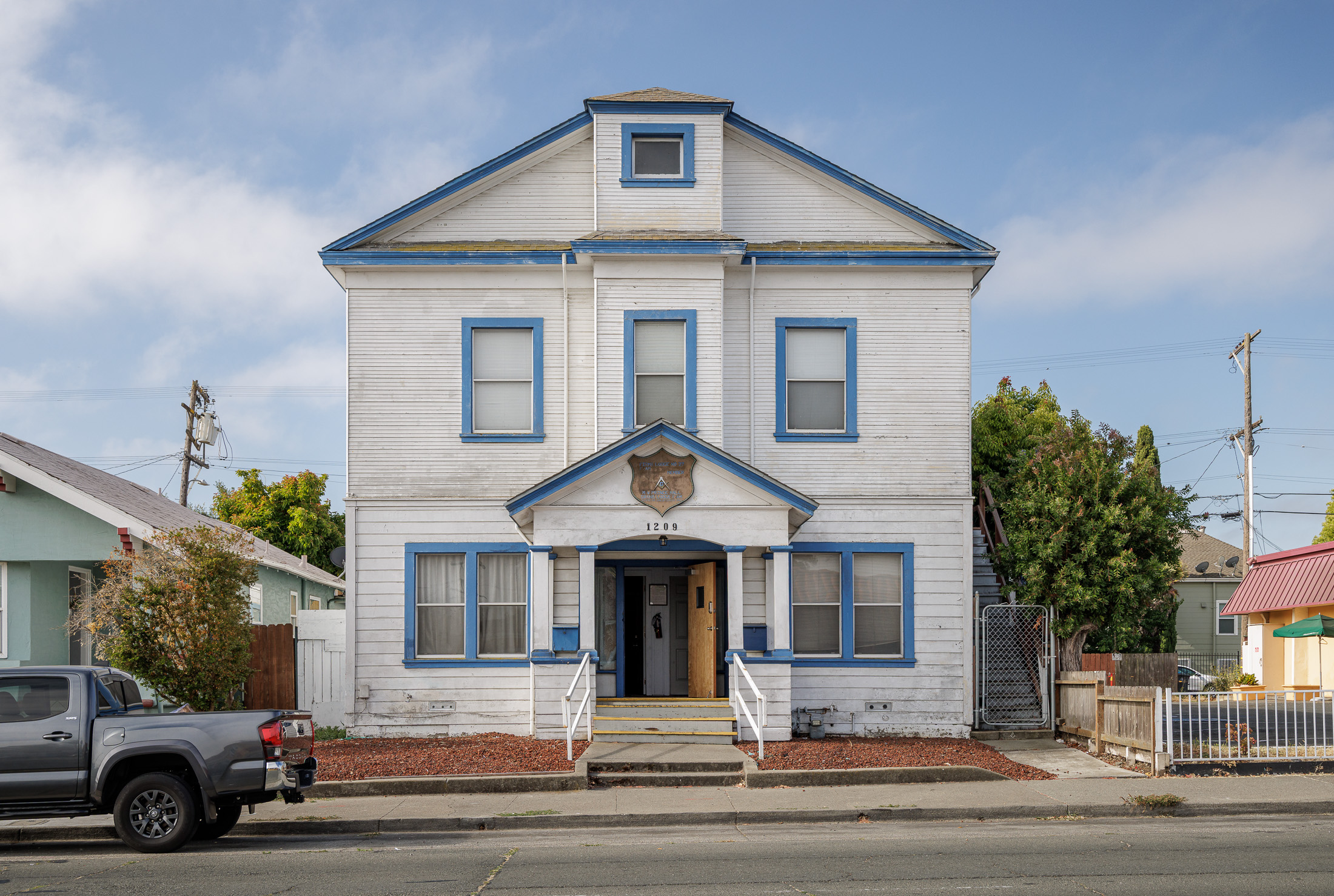 Firma Lodge No. 27 is a two-story social hall in central Vallejo, completed in 1917 in a simple interpretation of the Classical Revival style and occupied by Firma Lodge No. 27 of the Most Worshipful Prince Hall Free & Accepted Masons. Constructed by members of the 9th and 10th Cavalry regiments (also known as Buffalo Soldiers) of the Colored War Veterans of the Spanish-American War, the building was first used as a veterans’ social hall and a fraternal hall for the local African American community. As Vallejo’s African American population grew, the building served as a central hub for Black fraternal, civic, social, and religious organizations, offering vital community and housing support.
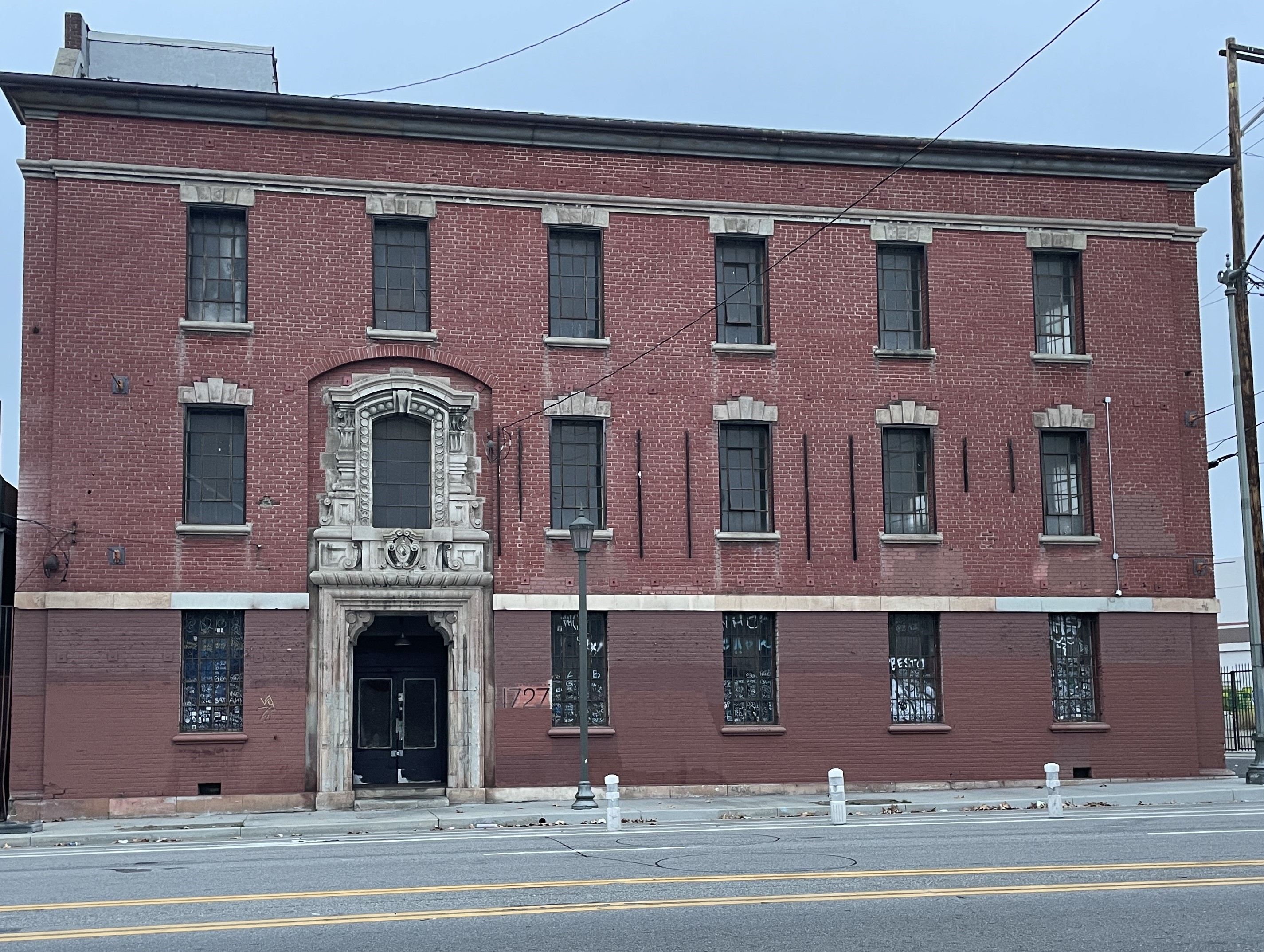 Woman’s Building, designed by architect Myron Hunt in the Beaux Arts style, was constructed in 1914 as an office for the Standard Oil Company Sales Department. Standard Oil occupied the building until 1928, followed by a series of owners and varied tenant use. From 1975 to 1991, the property was home to the groundbreaking feminist art collective known as the Woman’s Building that greatly influenced the development and evolution of the feminist art movement in Los Angeles and nationwide. The building is recognized for its association with second wave feminism, and in particular for its distinctive role in fostering the creation and dissemination of feminist art.
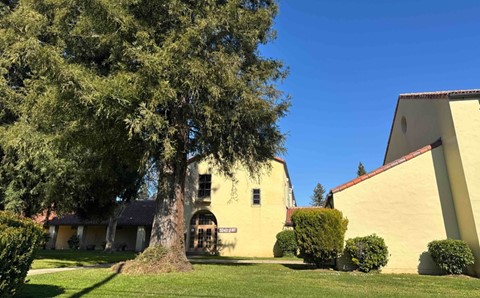 El Dorado Elementary School in Sacramento’s East Sacramento neighborhood embodies the characteristics of the Sacramento School District Architectural and Engineering Commission’s distinctive architecture program of the 1920s as well as of the Spanish Revival style of architecture. The main building (1921-1930) was designed by James Dean of Dean and Dean, a master architect who was influential in the design of Sacramento-area schools of the era as the program’s primary architect. His brother Charles F. Dean designed the auditorium (1939) connected to the main volume by a curved hyphen. Dean and Dean architect Earl Barnett designed the mural depicting Coronado’s search for gold on the west wall of the auditorium.
 Bellaire Tower, a twenty-two-story, steel- and reinforced-concrete Art Deco residential tower completed in 1930, exhibits the tripartite massing characteristic of the style, with an ornate Churrigueresque-inspired double-height base, a simplified vertical shaft punctuated by bays and spandrel panels, and an embellished stepped-back capital crowned by a decorative parapet. Herman C. Baumann, recognized as an Architect of Merit by the City of San Francisco, had a prolific practice that specialized in large apartment buildings, hallmarked by his emphasis on ceremonial entrances and finely detailed common areas. The building stands as one of Baumann’s tallest and most distinguished residential designs in the San Francisco Bay Area and is known as the Jewel of Russian Hill for its commanding hilltop presence and refined architectural composition.
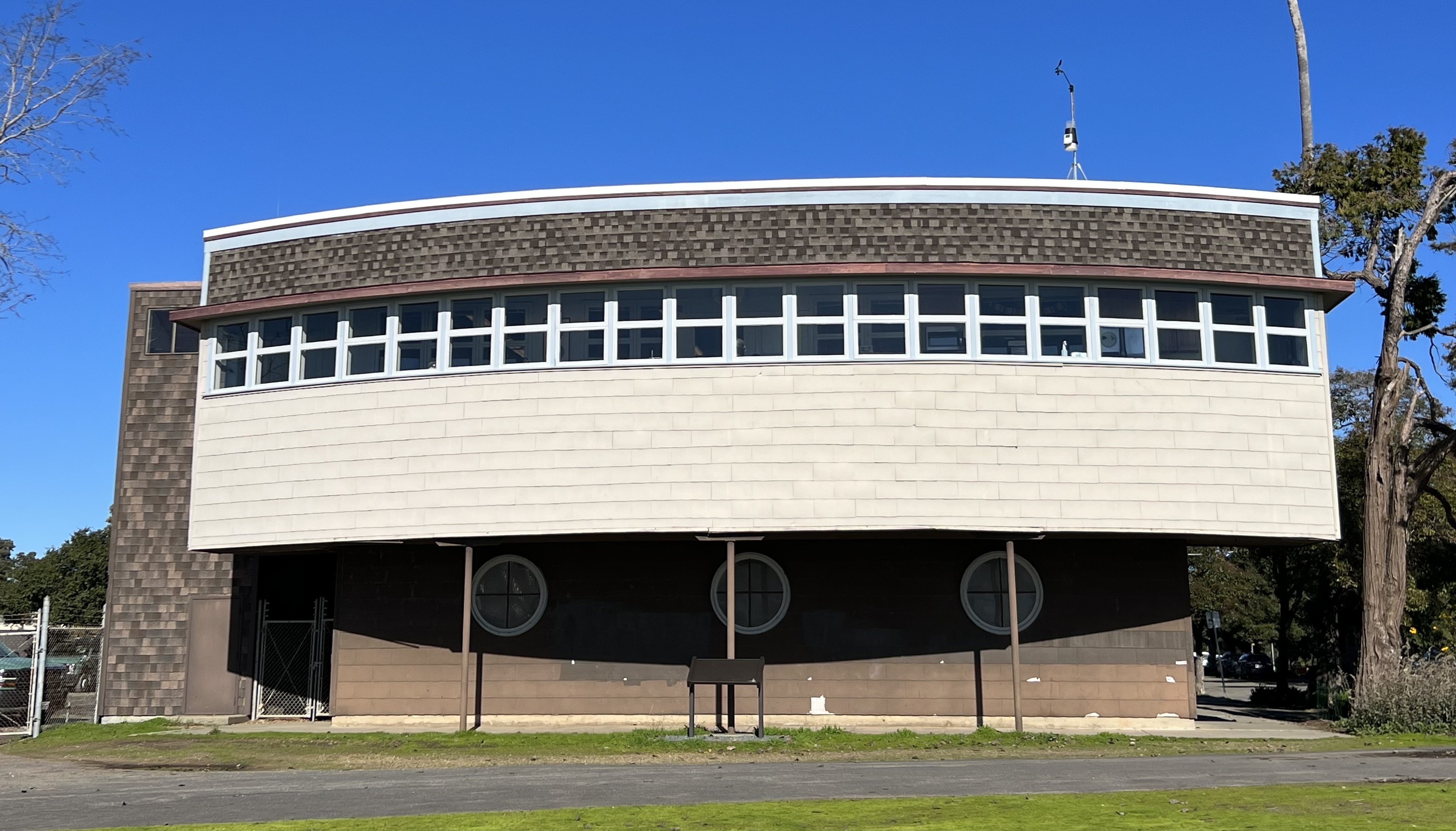 Glory of the Seas Hall, also known as the Seamanship Building of the United States Maritime Service Officers School, in Alameda, was designed to train Merchant Marine officers in navigation and seamanship skills during World War II, completed in 1943. The building is intended to physically resemble the bridge of a Liberty Ship, the most likely vessel that trainees would serve on during the war, and is similar in style to other landlocked naval training vessels, like the USS Recruit, AKA "Neversail," at the Naval Training Center in San Diego. The hall was designed by architect Harry Bruno, principal architect of the United States Maritime Service Officers School of which the building was a part.
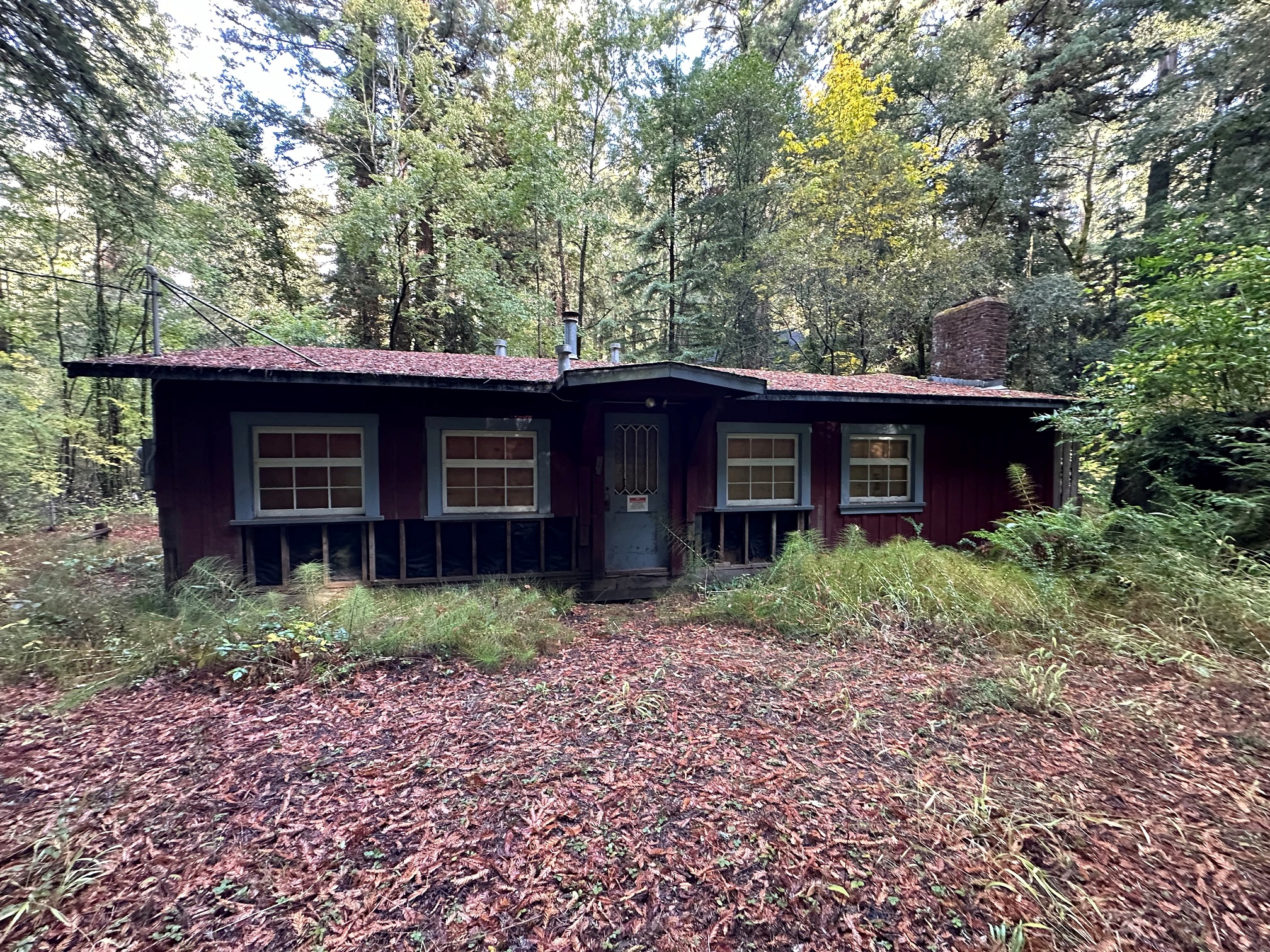 Sam McDonald Park (African Americans in California MPDF) is a 430 acre portion of a San Mateo County park located in La Honda. This property is associated with African American philanthropist and conservationist Emanuel Bruce "Sam" McDonald, who bequeathed his property to Stanford University at the time of his death for use as a community and recreation park. The park features, including tent camping sites, hiking trails, and park headquarters, are contributing resources. The property was transferred from Stanford to San Mateo County Parks in 1958; the property is significant both for its association with McDonald, who owned the property from 1919 until his death in 1957, and San Mateo County's development of the property into a park dedicated to Mr. McDonald, concluding in 1970.
PG&E Historic Era Electrical Infrastructure MPDF is a statewide Multiple Property Document that documents the significance of electrical infrastructure properties associated with Pacific Gas & Electric Company and its predecessor companies, from 1849 until 1974. These properties include buildings designed in Beaux Arts, Neoclassical, Italian Renaissance Revival, Gothic Revival, and other architectural styles of the period. Eligible property types include dams, storage reservoirs, water conveyance resources, powerhouses, residential housing and camps, historic districts of hydroelectric generation and transmission properties, natural gas and steam generation plants, nuclear power plants, transmission facilities, distribution facilities, and single-building substations.
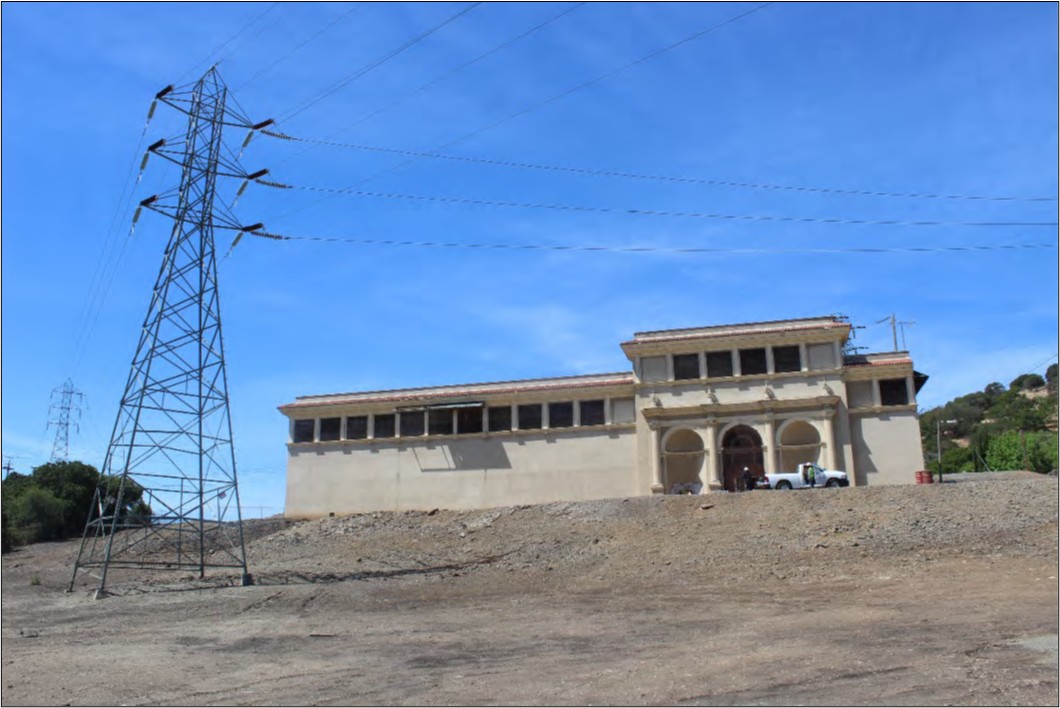 Cordelia Substation (PG&E Historic Era Infra MPDF) is an electrical substation designed in the Beaux Arts style, located in Fairfield. The substation was designed by Ivan Frickstad for Pacific Gas & Electric (PG&E), following construction of the Drum-Spalding Hydroelectric Project, in 1913.
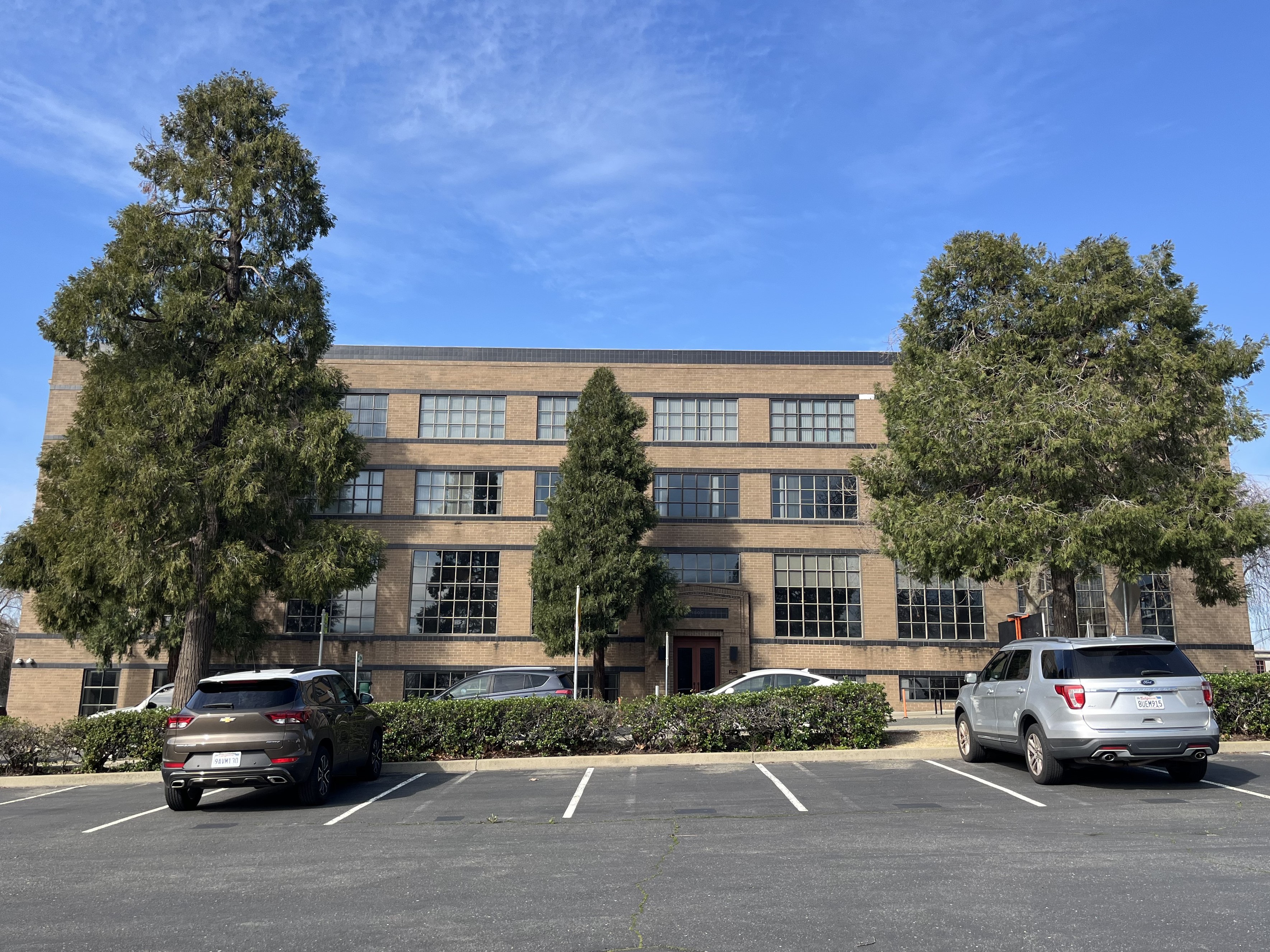 Thomson-Diggs Company Building is a hardware warehouse associated with the Thomson-Diggs Company, a national hardware distributor, located in downtown Sacramento. The property was designed by architect Clarence Cuff and is directly associated with the working life of State Senator Marshall Diggs, a principal of the company. The company building was located adjacent to Sacramento's R Street industrial corridor. The building originally had a plain concrete exterior, which has been modified by application of exterior face brick, but the building still retains historic integrity sufficient to convey its significance.
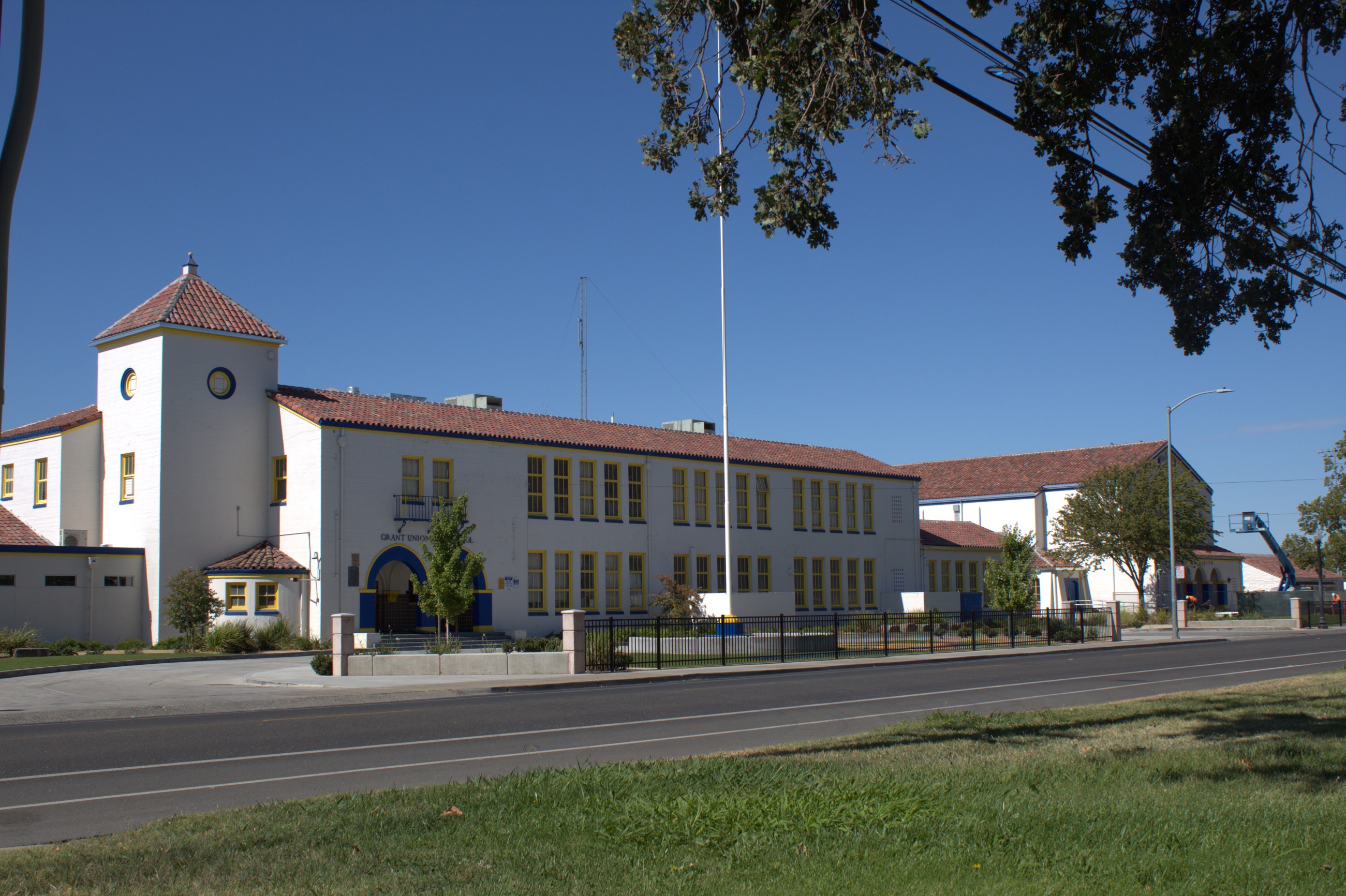 Grant Union High School is a high school located in the Del Paso Heights neighborhood of Sacramento, completed in phases between 1934 and 1940 by architects Harry Devine and Charles Dean. The school is designed in the Spanish Colonial Revival style, and its design reflects architectural responses to passage of the Field Act, a California law which mandated specific levels of earthquake safety for school construction. The reinforced concrete design of the school, compliant with the Field Act, has allowed continuous use of Grant Union High School for education functions when similar schools built only a few years earlier were declared no longer safe for educational use.